As The Rise of AI-Powered Electronics takes center stage, it’s time to embrace a technological revolution that is reshaping the way we interact with our devices. The integration of artificial intelligence into electronics marks a pivotal moment in modern technology, enhancing functionality and user experience like never before. This transformation brings forth an array of smart devices that learn and adapt, making our everyday tasks easier and more efficient.
AI technology is embedded in the very fabric of our electronic devices, propelling them into a new era of intelligence. This journey began with the evolution of AI itself, and now, cutting-edge innovations in machine learning and deep learning are at the heart of this advancement. The fusion of the Internet of Things (IoT) with AI is creating interconnected systems that are revolutionizing various aspects of our lives, from home automation to industrial applications.
Introduction to AI-Powered Electronics
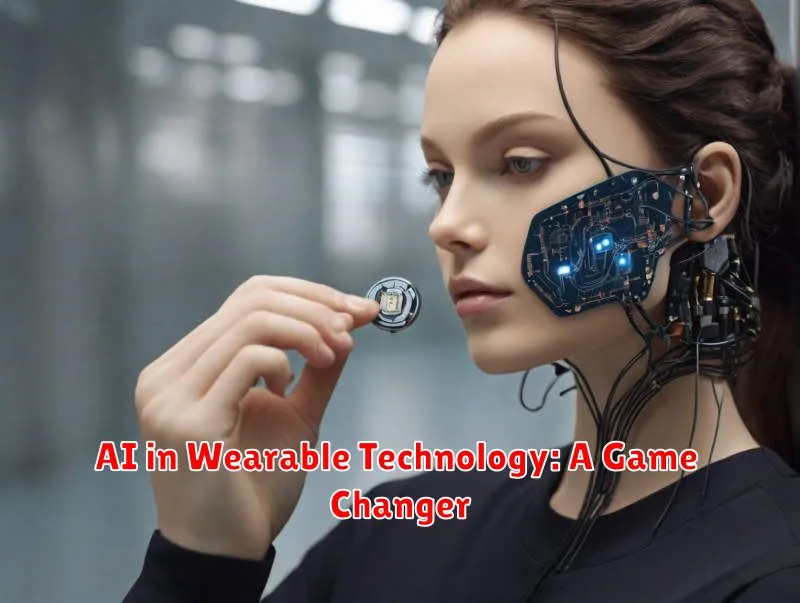
The fusion of artificial intelligence (AI) with electronics marks a significant turning point in technology, reshaping how devices operate and interact with users. AI-powered electronics harness advanced algorithms to enhance functionality, personal experience, and efficiency, ultimately revolutionizing daily interactions with technology.AI technology is seamlessly integrated into a myriad of electronic devices, enabling features such as voice recognition, predictive text, and smart automation.
By leveraging machine learning and data analytics, these devices are designed to learn from user behavior, adapt to individual preferences, and optimize performance in real-time. The result is a highly personalized user experience that enhances productivity and convenience.
Historical Context of AI Development in Electronics
The journey of AI in electronics began in the mid-20th century, evolving alongside advancements in computing power and data processing capabilities. Early efforts focused on rule-based systems and basic algorithms, paving the way for more sophisticated models as technology progressed. The following milestones highlight the historical development of AI in electronics:
- The 1950s: Birth of AI Concepts
-The concept of AI emerged with pioneering work by researchers such as Alan Turing and John McCarthy, who introduced foundational theories on machine intelligence. - The 1980s: Rise of Expert Systems
-Expert systems became the first commercially successful AI applications, allowing electronics to perform specific tasks like diagnosing issues in machinery. - The 2000s: Machine Learning Revolution
-With advancements in data availability and computational power, machine learning algorithms allowed electronics to learn from vast datasets, enhancing their functional capabilities. - The 2010s: Deep Learning and Neural Networks
-The advent of deep learning provided a leap forward in AI development, enabling complex tasks such as image and speech recognition in consumer electronics. - Present Day: AI Everywhere
-Today, AI is embedded in smartphones, smart home devices, wearables, and more, facilitating intelligent interactions and automating various tasks for improved user experience.
“AI-powered electronics represent not just technological progress, but a paradigm shift in how we engage with the world around us.”
This historical context underscores the rapid evolution of AI in electronics, illustrating how far the technology has come and its potential to continually transform the landscape of modern devices.
Key Technologies Enabling AI in Electronics
The integration of artificial intelligence into electronics has revolutionized the way devices operate and interact with users. This transformation is fueled by several key technologies that enable AI functionalities, making electronic devices smarter, more efficient, and capable of learning from their environment. Understanding these technologies is essential for grasping the future landscape of AI-powered electronics.One of the most significant advancements in enabling AI in electronics is the development of machine learning and deep learning algorithms.
Stay ahead in the competitive market by understanding key insights from Digital Marketing Trends Every Business Should Watch. Discover the latest techniques that are transforming marketing strategies and how you can leverage these trends to engage your audience and enhance your brand presence in 2026.
These algorithms allow devices to process vast amounts of data, recognize patterns, and make decisions based on learned experiences. With the capability to analyze data in real-time, electronic devices can continuously improve their performance and personalize user experiences.
Machine Learning and Deep Learning in Electronic Devices
Machine learning and deep learning play pivotal roles in enhancing the capabilities of electronic devices. These technologies serve as the backbone for smart functionalities in various applications, from voice-activated assistants to autonomous vehicles. The following points highlight the impact of these technologies:
- Real-Time Data Processing: Machine learning enables devices to analyze data instantly, facilitating timely decisions that improve operational efficiency and user satisfaction.
- Predictive Analytics: By leveraging historical data, machine learning algorithms can predict future trends and behaviors, allowing devices to adapt proactively and optimize performance.
- Enhanced Personalization: Deep learning facilitates personalized user experiences by analyzing individual preferences and behaviors, resulting in tailored recommendations and interactions.
- Improved Image and Speech Recognition: Deep learning techniques have significantly advanced capabilities in recognizing images and speech, which are crucial for applications such as facial recognition and virtual assistants.
- Autonomous Systems: Machine learning allows for the development of autonomous systems that can learn from their surroundings and make decisions without human intervention, exemplified in drones and autonomous vehicles.
Impact of IoT on AI-Powered Electronics
The Internet of Things (IoT) has profoundly influenced the realm of AI-powered electronics by creating a network of interconnected devices that share data seamlessly. This connectivity has amplified the capabilities of electronic devices, leading to more intelligent and responsive systems. The following points illustrate the impact of IoT on AI functionalities:
- Data Collection and Sharing: IoT devices continuously gather and transmit data, providing a rich source of information for AI algorithms to analyze and learn from, improving decision-making processes.
- Enhanced Automation: The integration of IoT with AI enables automation of processes across various sectors, from smart homes that optimize energy usage to manufacturing systems that enhance productivity.
- Remote Monitoring: AI-powered IoT devices facilitate remote monitoring of systems and environments, allowing for real-time insights and proactive maintenance.
- Scalability: The interconnected nature of IoT allows for scalable solutions where AI can manage thousands of devices efficiently, making extensive data analysis feasible.
- Interoperability: IoT fosters compatibility among various electronic devices, leading to a cohesive ecosystem where AI can enhance functionality across different platforms.
“Machine learning and IoT together are redefining the potential of electronic devices, turning them into smart entities that learn, adapt, and communicate.”
Applications of AI-Powered Electronics
The integration of AI into electronic devices has transformed various sectors, enhancing efficiency, productivity, and user experience. These innovations are not just limited to high-tech industries; they span consumer electronics, healthcare, transportation, and manufacturing, creating a profound impact on daily life and business operations.In the realm of consumer electronics, AI is redefining user interactions, enabling smarter and more responsive devices.
From smart home systems to personal assistants, AI-powered electronics are enhancing convenience and personalization.
Consumer Electronics Utilizing AI
The following examples illustrate how AI is being harnessed to improve user experience across different consumer electronics:
- Smart Speakers: Devices like Amazon Echo and Google Home utilize AI-driven voice recognition to provide hands-free assistance, manage smart home devices, and deliver personalized content recommendations based on user preferences.
- Smart TVs: Brands such as LG and Samsung employ AI algorithms to analyze viewing habits, enabling content recommendation and adaptive picture quality adjustments for optimal viewing experiences.
- Wearable Devices: Fitness trackers and smartwatches, like the Apple Watch, incorporate AI to monitor health metrics, provide real-time feedback, and even predict potential health issues based on user data trends.
- Personalized Shopping Assistants: AI-driven platforms in e-commerce enhance user experience by learning consumer behavior to recommend products tailored specifically to individual tastes and needs.
AI’s impact extends beyond consumer electronics into industrial applications, where it plays a critical role in automation and efficiency enhancement.
Industrial Applications of AI in Automation and Efficiency
AI-powered electronics are revolutionizing industrial processes by optimizing operations, reducing downtime, and increasing productivity. The following points highlight key applications in industrial settings:
- Predictive Maintenance: AI systems analyze data from machinery to predict failures before they occur, significantly minimizing downtime and repair costs.
- Robotics and Automation: AI-driven robots enhance manufacturing by performing complex tasks with precision and speed, from assembly to quality control, resulting in increased efficiency and reduced human error.
- Supply Chain Optimization: AI algorithms streamline logistics by predicting demand fluctuations, optimizing inventory levels, and enhancing delivery routes, ensuring timely fulfillment of customer orders.
- Quality Control: AI technologies, such as computer vision, are utilized to detect defects in products on production lines, ensuring high standards of quality and reducing waste.
In summary, AI-powered electronics are not only enhancing consumer experiences but also transforming industrial processes, leading to greater efficiency and productivity across a multitude of sectors.
Challenges and Ethical Considerations
The integration of AI-powered electronics into everyday life brings remarkable advancements, yet it is accompanied by a set of challenges and ethical dilemmas that must be addressed. These issues range from technical obstacles to significant concerns surrounding privacy and security. As the technology evolves, recognizing and mitigating these challenges becomes crucial for sustainable development and public trust in AI innovations.One of the primary challenges in the widespread adoption of AI-powered electronics is the complexity of integration into existing systems.
Companies face difficulties in ensuring compatibility, leading to potential fragmentation in the market. Additionally, the high costs associated with research, development, and implementation can deter smaller enterprises from adopting AI technologies, creating a disparity in access to these advancements. Furthermore, the need for vast quantities of data to train AI systems raises concerns regarding data management and quality, which are essential for effective operation.
Privacy and Security Concerns
The ethical considerations surrounding AI in electronics primarily revolve around privacy and security. As devices increasingly collect and analyze personal data, the risk of breaches and misuse escalates. The following points highlight essential aspects of these concerns:
Data Collection Practices
Many AI-powered devices continuously gather user data to enhance performance. This raises questions about consent and user awareness.
Are you ready to elevate your startup’s potential? Check out our insights on Digital Growth Strategies for Startups in 2026. Learn how to navigate the evolving landscape with effective strategies that can boost your growth and ensure you stay ahead of the competition in this fast-paced digital world.
Potential for Surveillance
AI technologies can inadvertently facilitate surveillance, where personal activities may be monitored without explicit permission, leading to a loss of privacy.
Bias and Discrimination
AI systems may perpetuate existing biases if trained on flawed datasets, resulting in unfair treatment in applications like hiring or law enforcement.
“In an era where data is the new gold, responsible stewardship and ethical guidelines are necessary to protect user rights.”
Companies are actively working to mitigate these challenges and ethical dilemmas. Some are implementing robust data anonymization techniques to safeguard user privacy while still leveraging data for AI training. Others are establishing ethical guidelines and frameworks, ensuring transparency in how AI systems operate and how data is used. This commitment to ethical practices serves to build consumer trust, which is vital for the long-term success of AI-powered electronics.Overall, addressing these challenges and ethical considerations is critical for fostering a responsible and equitable future for AI technologies.
By taking proactive measures, companies can ensure that the benefits of AI-powered electronics are accessible to all while respecting individual rights and privacy.
Future Trends in AI-Powered Electronics
As we look ahead, the landscape of AI-powered electronics is set to evolve dramatically, driven by emerging technologies and innovative applications. The integration of artificial intelligence into everyday electronic devices promises not only to enhance functionality but to revolutionize user experiences across various sectors. This evolution is characterized by advanced machine learning algorithms, smarter data processing capabilities, and increasingly intuitive human-device interactions that will define the next generation of electronic products.The future of AI in electronics is not just about improvements but transformative changes that will impact personal and industrial technology alike.
With every advancement in AI technology, the potential for groundbreaking applications grows exponentially. The following segments detail the emerging trends and forecast potential future applications of AI in everyday electronic devices.
Emerging Trends in AI Technology Relevant to Electronics
The intersection of AI and electronics is witnessing several notable trends that are shaping the future of this field. These trends highlight the increasing sophistication and integration of AI in various electronic devices.
- Increased Personalization: AI algorithms will enable devices to learn user preferences and behaviors, leading to highly personalized experiences.
- Edge Computing: The shift towards edge computing will allow data processing to occur closer to the source, reducing latency and improving real-time decision-making.
- Enhanced Security: AI-driven security features will become standard, utilizing advanced data analysis to predict and prevent potential threats in electronic devices.
- Autonomous Systems: Devices will increasingly operate autonomously, using AI to make decisions based on real-time data without human intervention.
Potential Future Applications of AI in Everyday Electronic Devices
The applications of AI in consumer electronics are vast and varied, with the potential to enrich daily life. Here are some promising developments that could redefine our interaction with technology:
- Smart Home Devices: AI will facilitate smarter home automation systems that adapt to individual routines, enhancing convenience and energy efficiency.
- Wearable Technology: Future wearables equipped with AI will track health metrics and suggest lifestyle changes based on real-time analytics, promoting proactive health management.
- Smart Assistants: Improved natural language processing will make smart assistants more intuitive, capable of understanding context and providing more relevant responses.
- Augmented Reality (AR) Devices: AI will enhance AR experiences by providing real-time data overlays and interactive features, transforming how users interact with their environment.
Predictions for AI Advancements in Various Sectors
As AI technology continues to advance, its impact will be felt across multiple sectors, with predictions indicating transformative changes. Below is a table summarizing potential advancements in different areas:
| Sector | Predicted AI Advancement | Example Application |
|---|---|---|
| Healthcare | AI-driven diagnostics and personalized medicine | Smart devices analyzing patient data for tailored treatment plans |
| Automotive | Fully autonomous vehicles | AI systems managing navigation and driving in complex environments |
| Retail | Advanced inventory management using predictive analytics | Smart shelves that track inventory levels and restock automatically |
| Manufacturing | Predictive maintenance powered by AI | Machines that anticipate failures and self-schedule repairs |
“AI-powered electronics will not just enhance efficiency but will redefine the boundaries of what is possible in our daily lives.”
The ongoing advancements in AI-powered electronics promise a future filled with innovations that will fundamentally change how we interact with technology and each other. The potential applications are boundless, paving the way for smarter, more efficient devices that cater to the needs of users across all sectors.
Case Studies of Successful AI-Powered Electronic Devices
The evolution of AI-powered electronics has led to significant advancements across various sectors, showcasing their potential to enhance everyday devices. These case studies highlight compelling examples of AI integration in electronics, illustrating the transformative impact these technologies have on performance and functionality.One prominent example is the Google Nest Hub, an AI-powered smart display that utilizes Google Assistant to provide a seamless user experience.
Its machine learning algorithms enable it to understand user preferences and habits, making it more intuitive than traditional smart displays. The Nest Hub’s ability to manage smart home devices, provide personalized recommendations, and analyze user interaction data demonstrates how AI can enhance user engagement and connectivity.
Performance Comparison of Traditional vs. AI-Enhanced Electronics
The comparison between traditional electronics and their AI-enhanced counterparts reveals stark differences in functionality and efficiency. Traditional devices often operate on predefined rules and manual inputs, while AI-powered devices leverage data-driven insights and adaptability.For instance, traditional thermostats require manual adjustments and lack the foresight to optimize energy usage effectively. In contrast, the Ecobee Smart Thermostat employs AI algorithms to learn heating and cooling patterns, adapting in real-time to changing conditions.
Discover the pivotal role of microchips in today’s technology with our article on Microchips: The Brain of Modern Electronics. From powering smartphones to driving innovation in smart devices, microchips are essential. Join us as we explore how these tiny components shape the future of electronics and fuel the digital transformation.
This results in a reduction of energy costs by up to 23% annually, highlighting the efficiency of AI in optimizing resource usage.The impact of AI on performance can also be observed in the Roomba i7+ robotic vacuum. Unlike conventional vacuums, the i7+ uses advanced mapping technologies and machine learning to navigate spaces intelligently. It identifies high-traffic areas and creates cleaning schedules based on user habits, significantly enhancing cleaning efficiency.
Leading Companies in the AI Electronics Space
Several companies are at the forefront of integrating AI into electronic devices, driving innovation and setting new industry standards. Their contributions range from smart home devices to advanced consumer electronics. The following companies are noteworthy for their impactful advancements in AI-powered electronics:
- Google: Pioneering smart home technology with devices like the Google Nest, utilizing machine learning for personalized experiences.
- Amazon: Innovating with the Echo line of products featuring Alexa, enabling voice-activated control of multiple devices and services.
- Apple: Integrating AI into its products, such as the iPhone and HomePod, enhancing user interactions through Siri and smart automation features.
- Samsung: Introducing AI in their smart appliances, optimizing performance through machine learning algorithms for energy efficiency and functionality.
- Dyson: Revolutionizing home cleaning with AI-powered vacuums that use advanced algorithms to improve cleaning performance based on environmental conditions.
These companies not only lead in technological development but also influence consumer expectations and industry trends, reinforcing the significance of AI in enhancing electronic devices. As AI continues to evolve, its integration into electronics will likely yield even more groundbreaking advancements, reshaping the future of technology.
The Role of Consumer Feedback in AI Development
Consumer feedback plays a pivotal role in the evolution of AI-powered electronics, providing manufacturers and developers with invaluable insights that drive innovation and enhance product performance. As technology rapidly evolves, understanding consumers’ needs, preferences, and experiences becomes essential for creating devices that truly resonate with their target audience. This engagement not only fosters customer loyalty but also propels companies toward a successful future in an increasingly competitive marketplace.Effectively collecting and analyzing consumer input is crucial in today’s data-driven landscape.
By employing various methods, companies can ensure they gather relevant feedback that can be translated into actionable improvements. Some effective methods for gathering consumer feedback include:
Methods for Collecting Consumer Feedback
Using diverse strategies to capture consumer insights enhances the relevance and accuracy of the data collected. The following methods are commonly employed:
- Surveys and Polls: Utilizing online surveys allows companies to gauge customer satisfaction and preferences. Tailored questions can yield direct insights into user experiences with AI-powered devices.
- Social Media Monitoring: Active engagement on platforms like Twitter, Facebook, and Instagram enables brands to listen to real-time consumer conversations, allowing them to identify trends and sentiments.
- User Experience Testing: Conducting usability tests with real customers provides firsthand insights into how consumers interact with products, revealing pain points and areas for improvement.
- Focus Groups: Organizing focus group discussions can facilitate in-depth exploration of consumer opinions about existing products and potential innovations.
- Customer Support Interactions: Analyzing inquiries and feedback from customer support can uncover recurring issues or desired features that consumers seek.
Feedback directly influences innovation in electronic design. By prioritizing consumer insights, companies can create products that not only align with market demands but also exceed consumer expectations. Notable examples illustrate how feedback can lead to significant advancements:
Driving Innovation through Feedback
Consumer feedback serves as a catalyst for innovation, guiding designers to refine existing products and develop cutting-edge technologies. Notable examples include:
- Smartphone Features: Continuous customer input has led to the integration of features such as improved camera capabilities and enhanced battery life, directly responding to consumer demands for superior performance.
- Wearable Technology: Health and fitness trackers have evolved through feedback highlighting the need for more accurate metrics, resulting in devices that offer features like heart rate monitoring and sleep quality analysis.
- Smart Assistants: AI-powered home assistants have become more intuitive and user-friendly by incorporating feedback on voice recognition and command responsiveness, significantly improving user satisfaction.
Through these examples, it becomes evident that consumer feedback is not just a passive reflection of market trends; it actively shapes the future of AI-powered electronics. As companies continue to harness the power of consumer insights, they can drive meaningful advancements, ultimately leading to products that elevate user experience and satisfaction.
Collaborations Between Tech Companies and AI Startups
In today’s fast-paced technological landscape, the partnership between established tech companies and innovative AI startups is becoming a significant catalyst for AI advancement. These collaborations facilitate the sharing of knowledge, resources, and expertise, ultimately driving innovation and accelerating product development in the field of AI-powered electronics.Collaborations between tech giants and startups often lead to groundbreaking advancements in AI technology. By leveraging the agility and creativity of startups alongside the resources and market reach of established companies, these partnerships create unique opportunities for innovation.
The synergy resulting from these collaborations can lead to the development of new products, enhanced features, and improved user experiences in AI-powered electronics.
Successful Collaborations and Their Outcomes
Several notable collaborations exemplify the potential of partnerships between tech companies and AI startups. These partnerships not only yield innovative products but also redefine industry standards.
- Google and DeepMind: The acquisition of DeepMind by Google in 2014 has resulted in significant advancements in AI applications, particularly in healthcare. Their collaboration led to the development of AI systems capable of diagnosing diseases from medical images, showcasing how tech giants can enhance their AI capabilities through strategic partnerships.
- Microsoft and OpenAI: Microsoft’s investment in OpenAI has enabled the integration of advanced AI models into its products, such as the Azure cloud platform. This collaboration has not only improved Microsoft’s AI offerings but has also democratized access to cutting-edge AI technologies for developers worldwide.
- IBM and Element AI: IBM joined forces with Element AI to foster innovations in AI solutions for enterprises. This collaboration has helped enhance IBM’s Watson platform, making it more accessible and efficient for businesses, thus driving AI adoption across various industries.
The benefits of cross-industry collaboration extend beyond immediate product gains. Collaborations can lead to:
- Resource Sharing: Established companies can provide startups with access to funding, infrastructure, and market insights, while startups can offer fresh perspectives and innovative approaches.
- Accelerated Innovation: The combined expertise and resources allow for quicker development cycles, enabling faster time-to-market for new technologies.
- Enhanced Customer Insights: Collaborations often lead to a deeper understanding of customer needs, allowing for more targeted and effective product development.
“The synergy between established tech giants and nimble startups is reshaping the future of AI technology, pushing boundaries in ways that were previously unimaginable.”
The Global Impact of AI-Powered Electronics
The integration of AI technology into the electronics sector is not just a trend; it’s a transformative movement reshaping global markets. As nations embark on this technological journey, the implications stretch far beyond individual companies, influencing economies, labor markets, and regulatory landscapes worldwide. With the rising adoption of AI-powered electronics, diverse countries are seizing opportunities to enhance productivity and innovation while navigating associated challenges.Countries are taking varied approaches to the integration of AI in their electronics industries, each influenced by cultural, economic, and political factors.
For instance, the United States leads with a robust venture capital ecosystem, fostering innovation in AI startups, while countries such as China leverage government support to dominate manufacturing and implementation of AI technologies in consumer electronics.
International Approaches to AI Technology Integration
Understanding how different regions are embracing AI technology is crucial for businesses looking to expand globally. Here’s a snapshot of how various countries and regions are positioning themselves in the AI-powered electronics landscape:
- United States: A hub for innovation, the U.S. emphasizes research and development, with numerous tech giants investing billions in AI capabilities. The country’s flexible regulatory environment encourages experimentation and growth in AI-driven electronics.
- China: With a national strategy to become a world leader in AI by 2030, China is heavily investing in AI research and incentivizing tech companies to integrate AI solutions into their electronics, especially in smart devices and IoT.
- European Union: The EU is focusing on ethical AI development, aiming for comprehensive regulations that promote AI while ensuring consumer protection and privacy. This approach may slow down innovation but aims for sustainable growth.
- India: India is rapidly emerging as a significant player in AI, focusing on start-up ecosystems and partnerships with global tech firms, fostering innovation in electronics and smart technologies.
- Japan: Known for its advanced robotics and consumer electronics, Japan is integrating AI to enhance automation and productivity within its manufacturing sector, while maintaining a strong ethical framework for AI deployment.
Comparative Analysis of AI Legislation and Regulation
As the global landscape for AI-powered electronics evolves, so too do the frameworks governing these technologies. Different regions are establishing distinct legal and regulatory environments, impacting how businesses can operate and innovate. Here’s a comparative look at the varying approaches to AI legislation:
| Region | Key Legislation/Regulation | Focus Areas |
|---|---|---|
| United States | AI Ethics Guidelines by NIST | Innovation, ethical use, and cybersecurity |
| European Union | EU AI Act | Transparency, accountability, and consumer protection |
| China | New Generation AI Development Plan | National AI strategy, industry leadership |
| Canada | Directive on Automated Decision-Making | Public sector applications, user rights |
The global impact of AI-powered electronics is a complex interplay of innovation, regulatory practices, and market dynamics. As countries continue to adopt and integrate AI technologies, their unique strategies will shape the future landscape of electronics, driving competition and collaboration across borders.
Q&A
What are AI-powered electronics?
AI-powered electronics are devices that utilize artificial intelligence to enhance their functionality, enabling them to learn from user interactions and improve performance over time.
How does AI improve user experience in electronics?
AI improves user experience by personalizing interactions, predicting user needs, and automating tasks, leading to more intuitive and efficient device usage.
What industries benefit from AI-powered electronics?
Industries such as healthcare, automotive, manufacturing, and consumer electronics are benefiting greatly from AI-powered innovations that enhance efficiency and productivity.
Are there any ethical concerns regarding AI in electronics?
Yes, ethical concerns include privacy issues, data security, and the potential for bias in AI algorithms, which necessitate careful consideration and regulation.
What does the future hold for AI-powered electronics?
The future promises further advancements in AI capabilities, leading to more sophisticated devices that will seamlessly integrate into our daily lives, enhancing connectivity and convenience.