How Sports Foster Competitive Spirit invites you into an exhilarating exploration of the pivotal role competition plays in athletic pursuits. In this dynamic landscape, competitive spirit is not just about winning; it’s a catalyst for personal growth, resilience, and camaraderie. From the adrenaline of team dynamics to the introspection of individual sports, the journey of competition shapes not only athletes but entire communities.
Delve into an engaging narrative that covers the historical roots, psychological benefits, and training methods that enhance competitiveness. Discover how sportsmanship can uplift or challenge this spirit, and see how societal influences and shared experiences propel athletes to reach their full potential.
The Importance of Competitive Spirit in Sports
The competitive spirit in sports plays a profound role in shaping individuals, enhancing their personal development and growth. It instills a mindset that drives athletes to push their limits, encouraging resilience, determination, and a strong work ethic. This competitive nature not only enhances performance but also cultivates crucial life skills that resonate beyond the sporting arena.The role of competitive spirit in sports extends far beyond mere victory.
It creates an engaging environment where athletes are motivated to strive for excellence. The thrill of competition pushes individuals to hone their skills, improve their strategies, and perform at their best. This atmosphere of healthy competition fosters collaboration and camaraderie among athletes, as they learn to respect and appreciate each other’s dedication.
Personal Development Through Competitive Spirit
The competitive spirit nurtures personal growth in several impactful ways. It encourages individuals to set and pursue ambitious goals, nurturing self-discipline and time management skills. Engaging in competition teaches athletes how to handle both victories and defeats with grace, fostering emotional resilience.
- Goal Setting: Athletes learn to set specific, measurable, and achievable goals, which helps them focus their efforts and track progress effectively.
- Enhanced Focus: The drive to outperform competitors sharpens concentration, enabling athletes to maintain their focus during high-pressure situations.
- Resilience: Facing and overcoming challenges in competitions builds mental toughness, preparing athletes to deal with setbacks in both sports and life.
- Teamwork: Competitive environments promote collaboration, as athletes often rely on their teammates for support and strategy, fostering strong relationships and communication skills.
The psychological benefits of competition are profound and multifaceted. Engaging in competitive sports often leads to heightened self-esteem and confidence as athletes experience personal breakthroughs. The adrenaline rush associated with competition triggers the release of endorphins, which can improve mood and mental well-being.
“The essence of sports lies in the spirit of competition; it’s where athletes discover their true potential.”
Moreover, observing and learning from competitors can provide valuable insights that contribute to continuous improvement. Athletes often analyze their competitors’ strengths and weaknesses, which not only helps them enhance their performance but also fosters a growth mindset.Overall, the competitive spirit embedded in sports serves as a catalyst for personal and psychological development, shaping successful individuals equipped to tackle life’s challenges.
Historical Perspectives on Competitive Spirit in Sports
Throughout history, the essence of competition has been deeply woven into the fabric of human society, manifested through various forms of sports. The evolution of competitive spirit in sports can be traced back to ancient civilizations, where contests were not merely physical challenges, but also reflected cultural values and societal structures. As we journey through time, we observe how competitive spirit has transformed, influenced by advancements in technology, changes in societal norms, and the globalization of sports.The historical perspective on competitive spirit highlights how early competitions in ancient Greece, such as the Olympic Games, laid the groundwork for modern sporting events.
These ancient contests celebrated physical prowess and were infused with a sense of honor and rivalry. The competitive spirit was not just about winning; it was a demonstration of skill, discipline, and dedication. In contrast, modern sports often emphasize commercial success and entertainment value, yet the underlying competitive spirit remains a driving force.
Evolution of Competition in Sports
The journey of competitive spirit in sports has seen several pivotal moments that shaped its current form. Notable historical examples illustrate how competition has driven the evolution of various sports:
- The Ancient Olympic Games: Originating in 776 BC, these games symbolized unity among Greek city-states and highlighted the importance of athletic excellence as a form of honor.
- The Rise of Professional Sports: The 19th century saw the emergence of professional leagues, such as Major League Baseball in the United States, transforming athletes from amateurs to stars, thus intensifying competition.
- The Influence of Technology: Innovations such as instant replay and performance tracking have revolutionized sports, enhancing the competitive spirit through better training and strategy.
- Globalization of Sports: Events like the FIFA World Cup unite nations, fostering a competitive spirit that transcends borders and cultural differences.
These historical milestones not only showcase the evolution of competition but also emphasize how the spirit of rivalry drives innovation and performance in sports.
“The competitive spirit in sports is a reflection of human ambition, pushing individuals to achieve greatness through adversity and dedication.”
The comparison of traditional and modern sports reveals a shift in how competition is perceived and experienced. Traditional sports often prioritized community engagement and local pride, while modern sports frequently focus on global audiences and commercial viability. Nevertheless, the core principle of competition endures, fostering a drive for excellence that defines the athletic spirit across eras.
The Impact of Team Sports on Competitive Spirit
Team sports are known for their ability to foster a unique competitive spirit that drives both individual and collective success. The dynamics within a team create an environment where athletes are pushed to perform at their best, not only for their own sake but also for the sake of their teammates. This collective effort is essential in cultivating a robust competitive atmosphere that enhances performance and fosters personal growth.The interplay between individual ambitions and team dynamics significantly contributes to the competitive drive among athletes.
In team sports, members rely on one another, creating a bond that fuels determination and resilience. The desire to win not just for oneself but also for the team amplifies the competitive spirit, motivating athletes to elevate their performance consistently. Working collaboratively towards a common goal intensifies the competitive atmosphere, as each member’s contribution impacts the team’s overall success.
Team Dynamics and Competitive Drive
Understanding the mechanics of team dynamics is essential to appreciating how they fuel competitive spirit. Strong communication, trust, and a shared vision among team members create an environment ripe for competition. Each athlete’s role is vital, and the synergy formed leads to improved performance.
- Collaboration: Team members learn to work together, understanding that success is a shared endeavor. This unity cultivates a fierce competitive spirit as players strive to outdo not only opponents but also improve upon their previous performances.
- Accountability: In a team setting, individuals are accountable to one another. This sense of responsibility encourages athletes to put forth their best efforts, knowing their actions directly affect their teammates’ success.
- Support System: Teammates provide emotional support during challenging times, motivating each other to push through adversity and enhancing the competitive edge by building mental resilience.
Examples of Team Sports Exemplifying Competitive Spirit
Several team sports illustrate the powerful competitive spirit nurtured through teamwork. These sports showcase how teams rally together to achieve greatness, often leading to remarkable achievements and memorable moments.
- Soccer: The world’s most popular sport exemplifies teamwork with its need for coordination, strategy, and collaboration among players. Iconic teams like FC Barcelona and Manchester United have shown how effective teamwork can lead to dominating success on the global stage.
- Basketball: The fast-paced nature of basketball requires players to work in sync. Legendary teams like the Chicago Bulls in the 1990s demonstrated how individual talent combined with teamwork can create a dominating force in the league.
- Rugby: Rugby emphasizes the importance of each player’s role, from forwards to backs. The sport’s culture fosters a strong competitive drive, with teams like the New Zealand All Blacks renowned for their commitment to excellence and teamwork.
- Volleyball: This sport relies heavily on communication and strategy among players. Successful teams, such as the Brazilian national team, illustrate how trust and cooperation lead to a high level of competitiveness on the international scene.
Individual Sports and Personal Competitiveness
In the realm of sports, individual disciplines stand out for their unique ability to cultivate personal competitiveness. Unlike team sports, where performance is often measured against the collective efforts of a group, individual sports place the athlete in a direct confrontation with their own abilities and limitations. This environment fosters a distinct form of competitiveness that is deeply rooted in self-improvement and personal achievement.Athletes in individual sports continuously strive to enhance their performance by setting personal benchmarks and challenging their previous results.
This self-competition is a fundamental aspect of these sports, as individuals measure their progress against their own past performances rather than against opponents. It encourages a profound sense of accountability and commitment to personal growth, pushing athletes to realize their full potential.
List of Individual Sports Promoting Self-Competition
Numerous individual sports emphasize personal competitiveness, allowing athletes to focus on their self-improvement. The following list Artikels some of these sports:
- Athletics (Track and Field)
- Swimming
- Gymnastics
- Boxing
- Tennis
- Weightlifting
- Martial Arts (e.g., Judo, Karate)
- Golf
- Rock Climbing
- CrossFit
These sports encourage athletes to compete against their own previous records and achievements, emphasizing the personal journey towards excellence.
Performance Measurement in Individual Sports
Athletes in individual sports often utilize various methods to measure their performance against themselves. This includes:
- Time Trials: Athletes record their times in races or events to track improvements.
- Score Tracking: In sports like gymnastics and diving, athletes score their performances and strive to surpass previous marks.
- Personal Bests: Establishing and breaking personal best records serves as a motivation to improve.
- Training Logs: Keeping detailed records of workouts helps athletes assess their progress over time.
- Video Analysis: Reviewing footage of performances allows athletes to identify areas for improvement.
Measuring performance against oneself fosters a strong sense of accomplishment and encourages athletes to push their limits, reinforcing the value of self-competition.
Importance of Self-Motivation in Individual Sports
Self-motivation plays a critical role in the success of athletes competing in individual sports. Without teammates to provide encouragement, individual athletes must independently cultivate the drive to excel. This intrinsic motivation is essential for several reasons:
- Goal Setting: Athletes define personal goals that guide their training and competition.
- Resilience: A strong sense of self-motivation helps athletes overcome setbacks and challenges.
- Discipline: Consistent training and improvement require systematic effort and dedication.
- Confidence Building: Achieving personal goals reinforces self-belief and enhances performance.
- Adaptability: Self-motivated athletes can adjust their strategies and approaches based on their evolving needs.
In conclusion, the significance of self-motivation in individual sports cannot be overstated. It fuels personal competitiveness, drives athletes toward continuous improvement, and ultimately leads to remarkable achievements.
Training Methods to Enhance Competitive Spirit
Effective training methods are essential in fostering a competitive spirit among athletes. A well-structured training program not only builds physical endurance but also cultivates a mindset geared towards competition. As athletes engage in rigorous training that pushes their limits, they learn to embrace challenges, develop resilience, and enhance their overall performance. The following insights will explore effective training programs, coaching techniques, and success stories that illustrate the transformative power of competitive training.
Effective Training Programs that Develop Competitive Mindset
A competitive mindset is cultivated through specialized training programs that emphasize mental toughness, strategy, and teamwork. These programs often include high-intensity interval training, simulation of competitive scenarios, and psychological conditioning.
- High-Intensity Interval Training (HIIT): This method not only builds physical stamina but also instills a sense of urgency and determination in athletes, preparing them for the pressure of competition.
- Simulation Drills: By recreating competitive situations during practice, athletes learn to make quick decisions, adapt strategies, and handle pressure effectively.
- Psychological Conditioning: Workshops on mental resilience and visualization techniques empower athletes to visualize success and manage anxiety during competitions.
Coaches play a pivotal role in implementing these training methods, ensuring that athletes are constantly challenged and motivated.
Coaching Techniques that Promote Competitiveness
Coaching techniques that emphasize competitiveness are vital in shaping athletes’ mindsets. Techniques such as goal setting, positive reinforcement, and competitive drills create an environment where athletes thrive.
In risk zones, protecting your property is paramount. Flood and fire can strike unexpectedly, making Why Flood and Fire Insurance Are Essential in Risk Zones an invaluable resource. Secure your peace of mind and safeguard your assets against potential disasters with the right insurance coverage today!
- Goal Setting: Coaches help athletes set short-term and long-term competitive goals, providing a clear roadmap for improvement and a sense of purpose.
- Positive Reinforcement: Celebrating small victories and providing constructive feedback motivates athletes to push their limits continuously.
- Competitive Drills: Incorporating competitive elements into training, such as timed trials or head-to-head challenges, encourages athletes to strive for excellence and outperform their peers.
These techniques foster a culture of competitiveness, driving athletes to elevate their performance in every training session.
Success Stories of Athletes Thriving Due to Rigorous Competitive Training
Many athletes have achieved remarkable success through rigorous competitive training, illustrating the profound impact of a strong competitive spirit.
“Success is no accident. It is hard work, perseverance, learning, studying, sacrifice, and most of all, love of what you are doing or learning to do.” – Pelé
Prominent examples include:
- Michael Phelps: The most decorated Olympian in history, Phelps attributed his success to relentless training and a fierce competitive drive that pushed him to break records.
- Serena Williams: Renowned for her competitive spirit, Williams’ training regimen includes intense practice sessions and mental fortitude exercises that have led her to numerous Grand Slam victories.
- Usain Bolt: The world’s fastest man, Bolt’s rigorous training and competitive mindset were crucial in achieving his unprecedented sprinting records, showcasing the fruits of dedicated training.
These athletes exemplify how effective training methods can enhance competitive spirit, leading to extraordinary accomplishments in the world of sports.
The Role of Sportsmanship in Competitive Spirit
In the realm of sports, where competition thrives, the concept of sportsmanship plays a pivotal role in shaping the competitive spirit. Sportsmanship encompasses not only the adherence to rules but also the respect for opponents, officials, and the spirit of the game itself. It can uplift the competitive atmosphere, promoting fairness and camaraderie, or it can lead to negative outcomes that tarnish the essence of competition.The impact of sportsmanship on competitive spirit can manifest in both positive and negative ways.
Good sportsmanship fosters a sense of respect and integrity among players, enhancing their competitive spirit and encouraging healthy rivalries. Conversely, poor sportsmanship can instigate hostility and undermine the very principles of fair play, leading to resentment and conflict among competitors.
Examples of Sportsmanship in Competitive Scenarios
To illustrate the importance of sportsmanship, consider the following examples of good and bad sportsmanship in competitive scenarios:Good Sportsmanship:
- During a closely contested tennis match, a player acknowledges a close call in favor of their opponent, demonstrating integrity and respect for the game.
- A basketball player helps an opposing player up after a fall, promoting camaraderie and mutual respect despite the competitive nature of the game.
Bad Sportsmanship:
- A soccer player argues vehemently with the referee over a penalty decision, showing a lack of respect for the authority of the officials and creating a negative atmosphere.
- In a wrestling match, one competitor taunts their opponent after a victory, diminishing the spirit of competition and sportsmanship.
Key values that sportsmanship brings to competitive environments are essential for fostering a positive competitive spirit. These values include respect, integrity, humility, and empathy.
Engaging in sports not only boosts your fitness but also plays a crucial role in injury prevention. When practiced safely, How Sports Prevent Injuries When Practiced Safely highlights essential techniques to minimize risks and enhance performance. Equip yourself with knowledge to enjoy sports safely and reap the rewards of an active lifestyle.
“Sportsmanship is not just about winning; it’s about respecting your opponents and the game itself.”
By embracing these values, athletes can create a competitive landscape that is not only about personal achievement but also about uplifting each other, leading to a more enriching experience for everyone involved. Through the lens of sportsmanship, the competitive spirit can thrive, ensuring that sports remain a powerful platform for personal growth and community building.
Societal Influences on Competitive Spirit in Sports
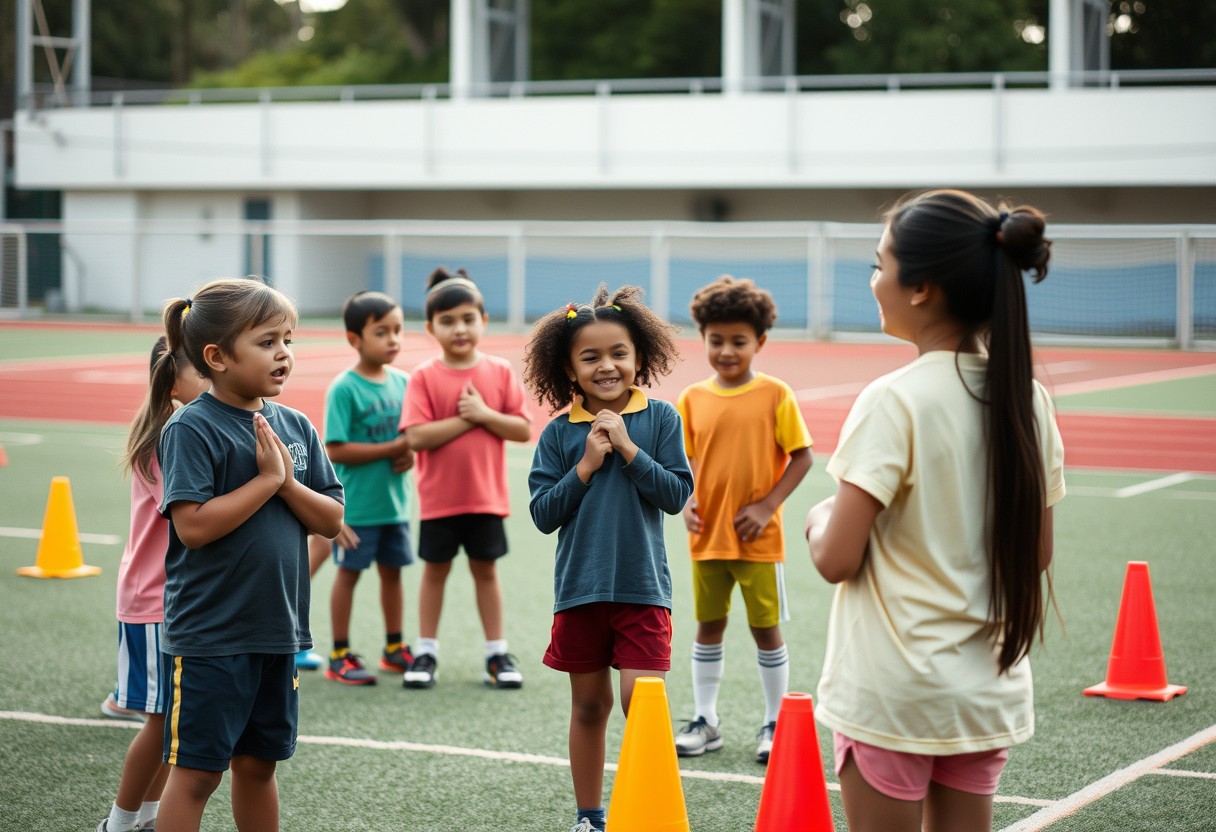
The competitive spirit of athletes is not only cultivated on the fields and courts but is also deeply influenced by societal factors. Culture, media, and community support systems all play crucial roles in shaping how individuals approach competition. Understanding these influences can provide insights into the dynamics of competitive sports and the motivations that drive athletes to excel.Culture shapes the competitive nature of sports through its values, norms, and traditions.
In societies where winning is highly prized, athletes often feel a stronger pressure to perform at their best. This cultural backdrop fosters environments where competition is intensified, motivating athletes to push their limits in pursuit of victory. For instance, in countries like the United States, where sports are not just pastimes but integral to national identity, the emphasis on competition is palpable.
Cultural Values and Competitive Spirit
The competitive spirit fostered by cultural values can be seen prominently in various sports. Key aspects include:
- National Pride: In many cultures, athletes represent their nation in international competitions, igniting a fierce competitive spirit driven by patriotism.
- Community Engagement: Local communities often rally around their sports teams, creating an environment that promotes healthy competition and encourages individual athletes to strive for excellence.
- Historical Context: Different sports have unique historical significance in various cultures, influencing the level of competition and participation within those sports.
Media coverage plays a significant role in amplifying athletes’ competitive spirit. The portrayal of sports in television, print, and online platforms not only highlights athletes’ achievements but also places them under constant scrutiny, which can fuel their drive to succeed. Major sporting events like the Olympics and World Cup are covered extensively, showcasing the intensity of competition and inspiring athletes to elevate their performance.
Balancing sports and academics can be a challenging yet rewarding endeavor. Discover effective strategies in How to Balance Sports and Academic Life that enable you to thrive both on the field and in the classroom. Maximize your potential by mastering the art of time management and commitment to achieve success in all areas of your life!
Impact of Media Coverage on Athletes
The influence of media coverage on athletes can be analyzed through various lenses:
- Increased Visibility: Athletes who receive extensive media coverage may feel more motivated to perform well, knowing they have a larger audience watching their efforts.
- Pressure to Excel: The constant media spotlight can create pressure to maintain performance levels, pushing athletes to cultivate a more intense competitive spirit.
- Role Models: Media narratives often highlight athletes as role models, which can inspire younger generations to engage in sports and strive for competitiveness.
Community support systems also significantly boost the competitive drive among athletes. Local clubs, schools, and organizations foster environments that encourage participation and commitment to sports. Support from coaches, mentors, and peers can create a nurturing ecosystem that promotes resilience and competitive spirit.
Community Support Systems
The role of community in developing competitive spirit can be observed through several factors:
- Coaching and Mentorship: Access to skilled coaches and mentors can provide athletes with personalized guidance, enhancing their competitive approaches.
- Team Dynamics: Being part of a supportive team can motivate individuals to push themselves further, fostering a shared competitive mentality.
- Resources and Facilities: Communities that invest in sports infrastructure provide athletes with the tools necessary to train effectively, enhancing their ability to compete.
“Community support not only strengthens individual athletes but also cultivates a collective competitive spirit that thrives on shared goals.”
Challenges Faced in Fostering Competitive Spirit
In the dynamic landscape of sports, athletes often encounter significant challenges that can hinder their competitive edge. Maintaining a strong competitive spirit is crucial, yet obstacles such as mental barriers, injuries, and recovery processes frequently arise. Understanding these challenges can lead to more effective strategies for overcoming them and enhancing a player’s performance.
Common Obstacles to Maintaining Competitiveness
Athletes face various hurdles that can impact their competitive spirit. These obstacles can manifest in different forms, including psychological barriers, physical limitations, and external pressures. Recognizing these issues is the first step toward fostering resilience and determination.
- Mental Barriers: Doubts, anxiety, and fear of failure can significantly affect an athlete’s performance. Mental fatigue can hinder focus and motivation.
- Injuries: Physical injuries can lead to a loss of confidence and fear of re-injury, which may limit competitiveness.
- External Pressures: Expectations from coaches, fans, and peers can create stress, detracting from an athlete’s enjoyment and drive.
Strategies for Overcoming Mental Barriers to Competitiveness
To combat mental barriers, athletes can adopt various strategies aimed at enhancing their mental fortitude and competitive spirit. These methods focus on building a positive mindset and resilience, essential for overcoming challenges in sports.
- Mental Conditioning: Techniques such as visualization and positive affirmations can help athletes reinforce their confidence and focus on their goals.
- Mindfulness Practices: Engaging in mindfulness meditation can reduce anxiety and improve emotional resilience, allowing athletes to stay present during competitions.
- Goal Setting: Establishing clear, achievable objectives helps athletes maintain motivation and provides a roadmap for their competitive journey.
The Role of Injury and Recovery in Impacting Competitive Spirit
Injuries are an inevitable part of an athlete’s career, and their impact on competitive spirit can be profound. The process of recovery not only tests physical strength but also mental resilience, and athletes must navigate these challenges effectively.
- Physical Rehabilitation: Engaging in a structured rehabilitation program can empower athletes, helping them regain confidence in their physical abilities.
- Support Systems: Building a strong support network, including coaches, teammates, and family, fosters encouragement and motivation during recovery.
- Mindset Shifts: Viewing recovery as an opportunity for growth rather than a setback can enhance an athlete’s competitive spirit and determination to return stronger.
“The true test of an athlete’s spirit is not just in the moments of victory but in how they overcome adversity.” – Unknown
User Queries
Why is competitive spirit important in sports?
Competitive spirit drives athletes to improve their skills, boost motivation, and encourages personal development through challenges.
How does sportsmanship affect competition?
Sportsmanship influences how athletes handle victories and defeats, promoting respect and integrity within competitive settings.
What role does teamwork play in developing competitive spirit?
Teamwork fosters collaboration and enhances individual competitiveness, motivating athletes to push each other to excel.
What challenges do athletes face in maintaining competitiveness?
Common challenges include mental barriers, injuries, and pressure, which can impact an athlete’s drive to compete.
How can athletes overcome mental barriers to competitiveness?
Strategies such as positive self-talk, visualization, and support systems can help athletes overcome mental obstacles.