How Team Sports Improve Communication Skills is not just a catchy phrase—it’s a powerful reality that shapes athletes both on and off the field. Team sports serve as a dynamic platform where players learn to articulate their thoughts, understand each other seamlessly, and foster cooperative relationships that extend beyond the game. This engaging environment nurtures essential communication skills that are vital for successful teamwork and enhances overall performance.
Through verbal exchanges, body language, and strategic play, athletes refine their ability to convey messages clearly and effectively. Whether it’s shouting out instructions, encouraging teammates, or interpreting non-verbal cues, the mastery of communication is a game-changer. Join us as we delve into how these interactions not only elevate sports performance but also equip individuals with invaluable skills for their personal and professional lives.
Importance of Communication in Team Sports
Effective communication serves as the backbone of successful team sports, where every player’s contribution hinges on clear and concise interaction. In a fast-paced game environment, teams that excel in verbal and non-verbal communication often find themselves at an advantage. The synergy created through effective dialogue leads to improved strategies, enhanced morale, and a unified approach to achieving common goals.Communication plays a pivotal role in establishing team dynamics.
It fosters trust and collaboration among players, which are essential for optimal performance. When team members communicate effectively, they can coordinate their actions, provide feedback, and support one another, ultimately driving the team toward victory. Miscommunication, on the other hand, can lead to misunderstandings and errors on the field, negatively impacting performance.
In challenging times, having the right support can make all the difference. Discover how How Insurance Helps Families Bounce Back After a Loss provides families with the financial safety net they need to recover and rebuild. With comprehensive coverage, you can ensure peace of mind for your loved ones, allowing them to navigate life’s uncertainties with confidence and strength.
Role of Communication in Team Dynamics
In team sports, communication is not just about exchanging information; it is about creating a shared understanding of goals and strategies. The following points illustrate how communication significantly influences team dynamics:
- Builds Trust: Open lines of communication help players feel comfortable expressing their thoughts and concerns, which builds trust within the team.
- Encourages Collaboration: Effective communication enables players to collaborate on tactics, resulting in more cohesive teamwork.
- Enhances Decision-Making: Rapid and clear communication helps teams make quick decisions essential during competitive moments.
- Strengthens Relationships: Regular communication fosters personal connections among teammates, leading to a more supportive environment.
- Facilitates Conflict Resolution: Addressing issues promptly through communication helps mitigate conflicts before they escalate.
Enhancement of Teamwork and Performance
The link between communication and performance is well-documented in sports. Teams that prioritize effective communication often experience higher levels of performance, as indicated by various studies and real-life examples. For instance, a study published in the Journal of Sports Sciences highlighted that teams with strong communication skills tend to outperform their counterparts in competitive settings. Effective communication leads to:
- Improved Coordination: Players who communicate well coordinate their movements, reducing the chance of mistakes during games.
- Increased Motivation: Positive communication from coaches and teammates boosts morale, encouraging players to perform their best.
- Strategic Adjustments: Communication allows for real-time adjustments during gameplay, enabling teams to adapt to changing circumstances.
- Enhanced Problem-Solving: Teams that communicate effectively can quickly identify problems and devise solutions, keeping them ahead in the game.
Common Communication Barriers in Sports Settings
Despite the critical role of communication, barriers can hinder effective dialogue within teams. Understanding these barriers is essential for teams looking to enhance their communication strategies:
- Language Differences: In diverse teams, language barriers can impede understanding and lead to misinterpretations.
- Non-Verbal Miscommunication: Body language and gestures may be misread, leading to confusion among team members.
- Emotional Factors: Stress and anxiety can affect how players communicate, potentially leading to misunderstandings.
- Environmental Distractions: Noisy stadiums or crowded training spaces can make verbal communication challenging.
- Lack of Clarity: Vague instructions or unclear strategies can confuse players and hinder effective communication.
“Communication is not just about speaking; it is about understanding and being understood.”
Types of Communication in Sports
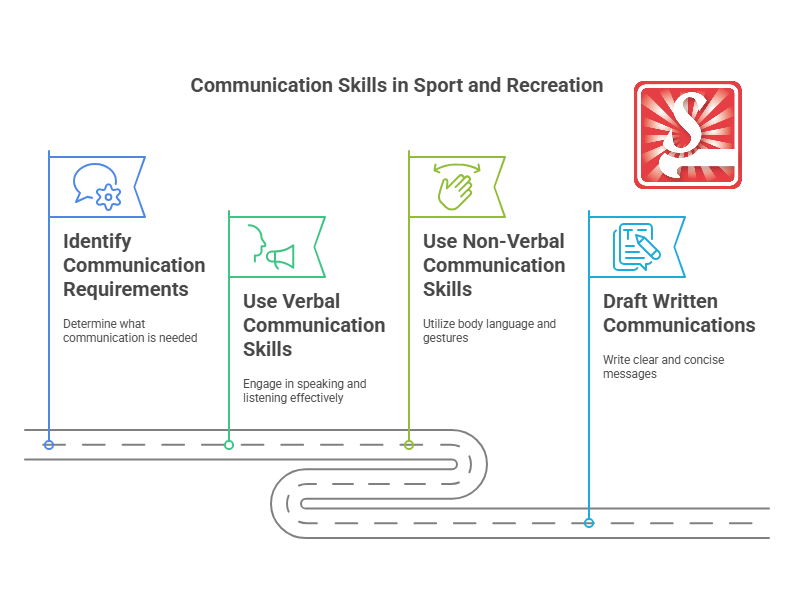
Effective communication is a cornerstone of successful team dynamics in sports. Both verbal and non-verbal methods play pivotal roles in how athletes interact, strategize, and perform during games. Understanding these communication types not only enhances team performance but also fosters better relationships among team members, leading to a more cohesive unit on and off the field.Verbal communication in sports encompasses spoken words, commands, and tactical discussions.
On the other hand, non-verbal communication includes body language, gestures, and facial expressions that convey messages without words. Each type has its unique significance and application during gameplay, contributing to seamless collaboration and strategic execution.
Verbal Communication Strategies
Verbal communication is crucial in high-pressure situations where quick and clear exchanges can lead to victory or defeat. Coaches and players use specific phrases and commands to ensure everyone is on the same page. The following examples illustrate effective verbal communication strategies during games:
- Clear Calls: Using concise and recognizable terms like “man on” or “switch” helps players understand immediate tactical needs.
- Encouragement: Phrases such as “keep pushing!” or “great effort!” boost morale and motivate players to enhance their performance.
- Feedback: Providing constructive comments during timeouts or after plays helps players improve and adjust strategies in real-time.
Non-Verbal Communication Techniques
Non-verbal communication is equally essential in sports, as athletes often need to read each other’s signals without speaking. Body language can significantly affect team interactions, influencing the overall atmosphere and performance. Below are key aspects and examples of non-verbal communication in sports:
- Gestures: Players often use hand signals to indicate plays or formations without alerting the opposing team.
- Eye Contact: Maintaining eye contact during tense moments ensures that teammates are aware of one another’s intentions and readiness.
- Body Positioning: The way players position themselves can indicate which direction they plan to move or how they intend to respond to opponents.
“The most effective communication in sports is often unspoken; body language and subtle gestures can carry the weight of a thousand words.”
Impact of Body Language on Team Dynamics
Body language is a powerful form of non-verbal communication that can dramatically influence team dynamics. A player’s posture, facial expressions, and movements can either uplift the team spirit or create tension. The following points highlight the impact of body language in sports settings:
- Confidence Display: Athletes who exhibit open and confident body language inspire trust and reassurance among teammates.
- Team Cohesion: Positive body language during huddles or warm-ups can foster a sense of unity and shared purpose.
- Feedback Interpretation: Understanding non-verbal cues from coaches or teammates can enhance decision-making and align actions during critical moments.
Incorporating effective communication strategies—both verbal and non-verbal—can greatly enhance teamwork and ultimately lead to improved performance in sports. The synergy created through clear interactions and expressive body language not only elevates athletic endeavors but also shapes lasting relationships within teams.
Team Sports and Skill Development
Participating in team sports is not just about physical fitness; it plays a crucial role in the development of interpersonal skills that are essential for success both on and off the field. Engaging in these activities allows individuals to cultivate strong relationships, work collaboratively, and communicate effectively, all of which are vital in today’s interconnected world.Team sports inherently require players to interact with one another, which provides a rich environment for developing communication skills.
These interactions foster mutual respect, empathy, and the ability to convey thoughts and ideas clearly. Players learn to navigate different personalities and resolve conflicts, all while working towards a common goal.
Key Communication Skills Developed through Team Sports
Engagement in team sports cultivates a range of essential communication skills that are beneficial in various aspects of life. Here is an overview of some of the most important skills developed:
- Active Listening: Players learn to listen attentively to teammates and coaches, ensuring they fully understand instructions and feedback.
- Non-Verbal Communication: Body language, eye contact, and facial expressions play a significant role in conveying messages without words.
- Verbal Communication: Clear and concise speaking is essential for effective coordination, especially during games.
- Feedback Skills: Players become adept at giving and receiving constructive criticism, enhancing overall performance.
- Conflict Resolution: Engaging with diverse personalities assists in developing strategies to manage disagreements in a healthy manner.
- Teamwork: Collaboration requires clear communication to ensure that team objectives are met, which reinforces the importance of working together.
Each of these skills not only contributes to success in sports but also translates into valuable assets in professional settings, academic environments, and personal relationships.
Transform your performance with knowledge from The Science Behind Strength Training for Athletes. This informative resource reveals the crucial role of strength training in enhancing athletic ability and preventing injuries. Understand how targeted exercises can boost your stamina and power, enabling you to reach new heights in your sport. Don’t just train harder—train smarter!
Impact of Team Sports on Leadership Communication
Team sports are a breeding ground for leaders, and participation in these activities significantly enhances leadership communication. Leaders in sports must articulate strategies, motivate team members, and foster a positive team culture. The following points highlight how team sports influence leadership communication skills:
- A leader in a sports setting must effectively communicate a vision and inspire teammates to work towards shared objectives.
- They learn to adapt their communication style to different team members, fostering inclusivity and understanding.
- Leadership roles in sports require individuals to manage and resolve conflicts, showcasing their ability to communicate under pressure.
- Leaders must provide timely feedback, requiring clarity and sensitivity to ensure that messages are received positively.
“Effective communication is the cornerstone of successful leadership in both sports and life.”
Through these experiences, athletes develop a leadership style that is characterized by confidence, empathy, and decisiveness, which can be invaluable in any future endeavor.
Case Studies of Communication in Team Sports
Effective communication is a cornerstone of successful teamwork in sports. By examining case studies of both triumphs and failures, we can uncover valuable lessons about the impact of communication methods on team performance. These examples highlight the diverse strategies teams employ and the consequences of miscommunication, offering insights into how different sports uniquely adapt communication techniques to their environments.
Successful Teams and Their Communication Practices
Numerous successful teams have demonstrated the power of effective communication. For instance, the San Antonio Spurs in the NBA are renowned for their team-oriented communication approach. The players routinely engage in open dialogue, creating a culture of trust and accountability. This method allows for seamless coordination on the court, particularly during critical moments in games where quick decisions are vital.
Their emphasis on verbal and non-verbal cues ensures that all team members are on the same page, leading to multiple championship titles.In soccer, FC Barcelona exemplifies exceptional communication through their use of the “tiki-taka” style, which emphasizes short passing and maintaining possession. The players communicate rapidly through both verbal instructions and body language, fostering an intuitive understanding of each other’s movements.
This has enabled them to dominate in various competitions over the years, showcasing how effective communication and strategic gameplay combine to yield success.
Unlock your full potential with insights from How Sports Psychology Helps Athletes Succeed. This essential guide dives into the mental strategies athletes use to enhance their performance, focus, and resilience. With the right mindset, you’ll not only improve your game but also achieve personal victories that transcend the field. It’s time to elevate your athletic journey!
Communication Breakdown in Failed Teams
Conversely, the collapse of the 2011 French national soccer team at the FIFA World Cup serves as an example of how communication breakdown can lead to failure. The internal strife and lack of cohesion among players were evident. Misunderstandings and a lack of shared goals led to poor on-field performance and ultimately an early exit from the tournament. Analysis of this situation reveals that the absence of a unified communication strategy can severely damage team dynamics and effectiveness.Similarly, the 2013-2014 Los Angeles Lakers experienced a tumultuous season due to ineffective communication among players and coaching staff.
With injuries and conflicting playing styles, the team struggled to align their strategies, resulting in a disappointing record. This case emphasizes the necessity of establishing clear channels for communication, especially in high-stress environments where tension can exacerbate misunderstandings.
Unique Communication Techniques in Different Sports
Different sports employ tailored communication techniques to fit their specific demands. In basketball, teams often utilize signals and hand gestures to convey plays quickly, minimizing the risk of interception by rivals. This form of non-verbal communication is crucial during fast-paced games where verbal communication may not be feasible.In contrast, American football relies heavily on a structured communication system involving playcalling from coaches to players, often using headsets for real-time updates.
This system illustrates how sports with more set plays can adopt direct communication tactics to ensure all team members understand their roles within the game framework.In rugby, players are trained to maintain vocal communication throughout the match, calling out tactics and alerting teammates to opposing movements. This ongoing dialogue is essential for team cohesion and strategy implementation, highlighting the sport’s reliance on continuous verbal interaction.Through these case studies, it becomes evident that effective communication is not merely a supplementary skill but a fundamental aspect of teamwork in sports.
Learning from both successful and failed examples allows teams to refine their communication strategies, ultimately leading to enhanced performance and cohesion.
Exercises to Enhance Communication Skills
In team sports, effective communication is paramount to success. Developing communication skills through targeted exercises not only improves the team’s performance but also fosters a deeper connection among players. Engaging in well-structured drills can enhance verbal and non-verbal communication, ensuring that players learn to convey their thoughts clearly and efficiently during high-pressure situations.The following drills and activities are designed to promote effective communication on and off the field.
They encourage dialogue, teamwork, and problem-solving, crucial elements in any sport.
Drills to Promote Effective Communication
Implementing drills that focus on communication ensures players can express themselves effectively. Here are some essential drills that can be incorporated into practice sessions:
- The Silent Game: Players are placed into teams and must complete a series of tasks without speaking. This drill emphasizes non-verbal communication, helping players learn to read body language and understand visual cues.
- Call and Response: In this drill, a coach or player calls out specific commands or plays, and the team must respond accordingly. This exercise sharpens listening skills and reinforces the importance of clear, direct communication.
- Positioning Practice: Players practice passing or shooting while calling out their positions. This drill encourages verbal communication, ensuring players alert teammates to their presence and intentions on the field.
Team-Building Activities to Improve Dialogue
Engaging in team-building activities can significantly enhance communication skills among players. These activities are designed not only to build trust but also to encourage open dialogue, fostering a collaborative spirit.
- Trust Fall: A classic exercise where one player falls backward, relying on teammates to catch them. This activity builds trust and encourages verbal reassurance, enhancing communication within the team.
- Group Problem-Solving: Teams are given a challenge or puzzle they must solve collaboratively. This exercise promotes discussion, negotiation, and shared decision-making, essential components of effective communication.
- Role Reversal: Players switch positions or roles to understand each other’s perspectives. This exercise promotes empathy and open lines of communication as players learn to express thoughts and ideas from different viewpoints.
Methods for Coaches to Facilitate Better Communication
Coaches play a crucial role in cultivating a culture of communication. By employing specific methods, coaches can enhance the communication dynamics within their teams:
- Regular Feedback: Providing constructive feedback after practices and games highlights communication successes and areas for improvement, creating a culture of constant growth.
- Open Door Policy: Encouraging players to approach coaches with concerns or ideas fosters an environment where dialogue is valued, leading to better team cohesion.
- Utilizing Video Analysis: Reviewing game footage can help players visualize communication in action, allowing them to identify effective strategies and areas requiring improvement.
“Effective communication is the cornerstone of successful teamwork; it can mean the difference between victory and defeat.”
Long-term Benefits of Communication Skills from Team Sports
Participating in team sports cultivates essential communication skills that extend far beyond the game itself. The collaborative nature of sports fosters an environment where effective communication becomes second nature. These skills not only enhance the dynamics within the sport but also significantly benefit personal and professional relationships in various aspects of life.Communication skills honed through team sports lead to improved personal interactions and professional success.
Individuals learn to articulate thoughts clearly, listen actively, and engage constructively with others. These skills are vital in both personal relationships and workplace dynamics, where collaboration and mutual understanding are crucial for success. Sports teach players to read non-verbal cues and respond appropriately, creating a foundation for empathy and effective dialogue in everyday interactions.
Impact on Workplace Dynamics
The correlation between sports communication skills and workplace dynamics is notable. Team sports participants tend to excel in environments that require teamwork, problem-solving, and negotiation. The ability to communicate effectively with colleagues can enhance productivity and foster a positive workplace culture. Consider the following advantages of sports communication skills in a professional setting:
- Enhanced Team Collaboration: Just as athletes rely on each other to achieve a common goal, employees who communicate well can work together more effectively to reach organizational objectives.
- Conflict Resolution: Experience in managing disagreements on the field translates to the workplace, where resolving misunderstandings promptly is essential for maintaining harmony.
- Leadership Development: Team sports often require individuals to take on leadership roles, improving their ability to guide teams and facilitate discussions in corporate settings.
“Effective communication in sports translates directly to effective communication in business, fostering a collaborative and harmonious work environment.”
Social Skills Developed Through Team Sports
Team sports inherently require participants to develop various social skills. These skills are vital for building relationships, both in social and professional contexts. Engagement in team sports nurtures the following social competencies:
- Teamwork: Athletes learn to work harmoniously with diverse personalities, strengthening their ability to collaborate with varying viewpoints and styles in social settings.
- Empathy and Support: Understanding teammates’ emotions encourages a supportive atmosphere, which is essential for fostering meaningful connections in personal life.
- Networking Opportunities: Participating in team sports opens doors to a wider social circle, allowing individuals to connect with others who share similar interests and values.
The long-term benefits of communication skills acquired from team sports are profound, influencing personal growth and enhancing professional performance through effective collaboration and interpersonal relationships.
FAQ Guide
What specific communication skills can be developed through team sports?
Team sports help develop active listening, clear verbal communication, body language awareness, and assertiveness.
How do communication skills from sports benefit professional life?
Skills like teamwork, conflict resolution, and effective dialogue translate well to workplace relationships, enhancing collaboration and productivity.
Can non-verbal communication impact team performance?
Yes, non-verbal cues such as body language and facial expressions can significantly affect team dynamics and understanding during gameplay.
What role do coaches play in enhancing communication skills?
Coaches facilitate communication by creating an open environment, encouraging dialogue, and implementing team-building exercises that focus on effective interactions.
How can teams overcome communication barriers?
Teams can address barriers by promoting trust, establishing clear communication protocols, and encouraging feedback among players.