How to Train Like a Professional Athlete is your gateway to mastering the secrets of elite athletic training. In a world where champions are forged through dedication and discipline, understanding the intricacies of professional training regimens is crucial. This guide delves into the vital components that set professional athletes apart—from foundational principles and strength conditioning to nutrition and mental toughness.
Uncover the essential strategies that encompass every aspect of an athlete’s journey, ensuring you not only optimize your physical capabilities but also cultivate a mindset geared for success. With a focus on personalized training, recovery techniques, and sport-specific methods, you will be equipped with everything needed to elevate your game and realize your full potential.
Training Fundamentals
Athletic training is an intricate process that goes beyond general fitness routines. It involves a deep understanding of the body’s physiological responses, the mechanics of performance, and the mental toughness required to excel. Professional athletes adopt a specialized approach to their training, focusing on specific skills and physical attributes that enhance their performance in their respective sports.The key principles of athletic training distinguish it from general fitness by emphasizing structured and progressive training regimes, tailored to the individual athlete’s needs.
Unlike general fitness programs, which may focus broadly on health and wellness, athletic training incorporates scientific methods that prioritize performance optimization. This includes understanding biomechanics, nutrition, recovery strategies, and sport-specific skills.
Periodization and Its Importance
Periodization is a crucial concept in athletic training, referring to the systematic planning of athletic training over defined periods. It enables athletes to peak at the right time and manage fatigue effectively. Here are the primary components of periodization:
- Macrocycle: The longest training cycle, typically encompassing an entire season or year, designed to achieve long-term goals.
- Mesocycle: Shorter cycles within the macrocycle, lasting several weeks to a few months, focusing on specific training objectives.
- Microcycle: The shortest cycle, usually a week, which includes daily and weekly training sessions, allowing for fine-tuning and adjustments.
Implementing periodization helps prevent overtraining and reduces the risk of injury, ensuring the athlete remains competitive throughout their season.
Significance of Goal Setting
Goal setting is an essential aspect of athletic training, providing athletes with direction and motivation. Effective goals are specific, measurable, achievable, relevant, and time-bound (SMART). Here are some strategies for establishing impactful goals:
- Define Clear Objectives: Instead of vague targets like “become faster,” set precise goals such as “improve 5K time by 30 seconds in three months.”
- Use Performance Metrics: Identify key performance indicators (KPIs) relevant to your sport, such as sprint times, lifting weights, or skill execution.
- Regularly Review Goals: Track progress and adjust goals as necessary, ensuring they remain challenging yet achievable throughout the training period.
By establishing clear goals, athletes can maintain focus and motivation while measuring their progress effectively, ensuring their training remains aligned with their competitive aspirations.
Strength and Conditioning
Strength and conditioning are vital components in an athlete’s training regimen, providing foundational support to improve performance across various sports. A well-structured strength training program not only enhances an athlete’s physical capabilities but also reduces the risk of injuries. Conditioning exercises boost endurance, speed, and agility, which are crucial for success in competitive environments.
Essential Components of a Strength Training Program for Athletes
In developing a strength training program, it’s essential to incorporate key components that maximize performance and safety. Effective programs typically include the following elements:
- Specificity: Tailoring exercises to the demands of the athlete’s sport ensures targeted muscle development.
- Progressive Overload: Gradually increasing the resistance or intensity helps stimulate muscle growth and strength gains.
- Periodization: Structuring training cycles to optimize performance during key competitive periods aids in peak performance timing.
- Recovery: Incorporating rest days and active recovery techniques is crucial for muscle repair and growth.
- Variety: Including a mix of exercises prevents plateaus and keeps athletes engaged.
Common Conditioning Exercises and Their Benefits
Conditioning exercises play a crucial role in enhancing the physical attributes required for different sports. Below is a list of common conditioning exercises along with their specific benefits:
- Interval Sprints: Improves speed and anaerobic capacity, beneficial for sports requiring short bursts of energy, such as soccer and basketball.
- Agility Drills: Enhances footwork and reaction time, crucial for sports like tennis and football.
- Endurance Runs: Builds cardiovascular strength and stamina, essential for long-distance runners and cyclists.
- Plyometric Exercises: Develops explosive power, advantageous for athletes in track and field or basketball.
- Resistance Band Work: Increases muscle endurance and stability, suitable for rehabilitation and injury prevention across all sports.
Methods to Measure and Track Strength Gains
To ensure that athletes are making continuous progress in their strength training efforts, it is necessary to implement effective measurement and tracking methods. By using these methods, athletes and coaches can gauge performance improvements and adjust training protocols accordingly:
- One-Rep Max Testing: Measuring the maximum weight an athlete can lift for one complete rep provides a baseline for strength capabilities.
- Progress Tracking Sheets: Keeping detailed logs of workout sessions, including weights lifted and reps performed, allows for monitoring trends over time.
- Performance Metrics: Evaluating improvements in sport-specific tasks, such as sprint times or vertical jumps, indicates increases in strength and conditioning levels.
- Body Composition Analysis: Utilizing tools like calipers or bioelectrical impedance scales helps assess changes in muscle mass versus fat mass.
- Functional Movement Screens: Assessing movement patterns can identify areas for improvement and track changes in athletic performance.
Nutrition for Athletes
Proper nutrition is a cornerstone of athletic performance, acting as the fuel that powers the body during rigorous training and competitions. To achieve optimal performance, athletes must be mindful of their dietary choices, focusing on both macronutrients and micronutrients. Understanding the role these nutrients play can make a difference in an athlete’s success and recovery.Macronutrients, including carbohydrates, proteins, and fats, provide the energy necessary for training and recovery.
Carbohydrates are the primary energy source, fueling intense workouts and replenishing glycogen stores post-exercise. Proteins play a vital role in muscle repair and growth, essential for athletes who undergo strenuous training. Healthy fats are crucial for hormone production and overall health. Additionally, micronutrients—vitamins and minerals—support various bodily functions, including immune response and muscle contraction.
Role of Macronutrients in an Athlete’s Diet
Athletes need to pay close attention to their macronutrient intake to optimize performance and recovery. Here’s a breakdown of the key macronutrients and their significance:
- Carbohydrates: Carbs are the primary fuel source, making up about 55-65% of an athlete’s total daily caloric intake. Complex carbohydrates such as whole grains, fruits, and vegetables are ideal for sustained energy.
- Proteins: Essential for muscle repair, proteins should comprise 15-20% of daily calories. Athletes should aim for high-quality protein sources such as lean meats, dairy, legumes, and plant-based proteins.
- Fats: Healthy fats should represent 20-30% of total caloric intake. Sources include nuts, seeds, avocados, and olive oil, which also provide essential fatty acids for overall health.
Meal Planning Strategies for Athletes
Creating an effective meal plan is essential for both training seasons and off-seasons. During the training phase, athletes require more calories to support their increased physical demands. Here are some strategies to consider:
- Pre-Training Meals: Focus on easily digestible carbohydrates and moderate protein. Options like oatmeal with fruit or a smoothie can boost energy levels.
- Post-Training Recovery: A combination of protein and carbohydrates is crucial within 30 minutes post-workout. A protein shake with a banana or chicken with quinoa are excellent choices.
- Off-Season Nutrition: While caloric needs may decrease, maintaining a balanced diet rich in nutrients is essential to prevent muscle loss and maintain fitness levels. Focus on whole foods, lean proteins, and plenty of fruits and vegetables.
Hydration Strategies and Their Importance
Hydration is just as critical as nutrition for athletic performance. Dehydration can lead to decreased endurance, increased fatigue, and impaired performance. Athletes should adopt the following hydration strategies:
- Pre-Hydration: Begin hydration before exercise. Aim for at least 16-20 ounces of water 2-3 hours prior to activity.
- During Exercise: Consume 7-10 ounces of water or an electrolyte drink every 10-20 minutes during prolonged exercise. This helps maintain fluid balance and energy levels.
- Post-Exercise Rehydration: Replace lost fluids by drinking 16-24 ounces of fluid for every pound lost during exercise. Incorporating electrolytes can aid recovery.
“Proper hydration supports optimal performance and recovery, making it just as crucial as nutrition.”
Recovery Techniques
Recovery is an essential component of an athlete’s training regimen, significantly influencing performance and longevity in sports. Professional athletes employ various recovery methods to enhance their physical and mental well-being, allowing them to train harder and recover faster. Understanding these techniques can provide valuable insights into optimizing your own recovery strategy.
Popular Recovery Methods
Professional athletes utilize an array of recovery techniques, each designed to address different aspects of physical recuperation. The effectiveness of these methods can vary based on individual needs and the demands of specific sports. Here are some widely used recovery techniques:
- Active Recovery: Engaging in low-intensity exercise post-training or competition helps to maintain blood flow and reduce muscle soreness. Activities can include light jogging, cycling, or swimming, effectively flushing out metabolic waste from muscles.
- Compression Therapy: Using compression garments or devices helps to reduce swelling and muscle soreness by improving blood circulation. Athletes often report faster recovery times and reduced muscle fatigue.
- Hydrotherapy: Alternating between hot and cold water immersion can facilitate recovery by alleviating muscle tension and improving circulation. Cold baths reduce inflammation, while warm baths promote relaxation and muscle flexibility.
- Massage Therapy: Regular sports massages can help alleviate muscle tightness, enhance blood flow, and promote relaxation. This technique not only aids recovery but also helps in injury prevention.
- Sleep Optimization: Prioritizing sleep is crucial, as it is during this time that the body undergoes its primary recovery processes. Athletes are encouraged to develop a consistent sleep schedule to enhance performance and overall health.
Creating a Personalized Recovery Plan
Designing an effective recovery plan tailored to individual needs is crucial for maximizing performance. A personalized recovery approach should consider various factors such as training intensity, personal preferences, and physical conditions. Key components of a personalized recovery plan include:
- Assessment of Recovery Needs: Evaluate your training schedule and physical state to determine which recovery methods will be most beneficial.
- Incorporation of Various Techniques: Combine different recovery methods such as active recovery, stretching, and nutrition to create a comprehensive strategy.
- Monitoring Progress: Keep track of recovery times and performance metrics to assess the effectiveness of the recovery plan. Adjust strategies based on feedback and results.
- Professional Guidance: Collaborate with sports professionals, such as trainers or physiotherapists, who can provide insights and adjustments to optimize your recovery plan.
Psychological Aspects of Recovery
The psychological dimensions of recovery play a pivotal role in an athlete’s overall performance. Mental recovery is just as important as physical recovery, influencing motivation, focus, and resilience. Addressing these aspects can significantly enhance performance outcomes:
- Mindfulness and Relaxation Techniques: Practices such as meditation, deep breathing, and visualization can aid in mental recovery, reducing stress and anxiety levels.
- Positive Self-Talk: Encouraging a positive mindset can help athletes overcome mental barriers and improve their recovery experience. Affirmations can boost confidence and motivation.
- Goal Setting: Establishing short and long-term recovery goals can provide direction and purpose during recovery periods, enhancing motivation and focus.
- Team Support: Building strong relationships with teammates can foster a supportive environment, enhancing emotional recovery and increasing overall morale.
Sport-Specific Training Methods
Training like a professional athlete requires a tailored approach that considers the specific demands of each sport. Sport-specific training methods are crucial in developing the skills, strength, and endurance necessary for peak performance. These methods focus on drills and exercises designed to enhance the unique physiological and technical requirements of each discipline.Skill development is paramount in sport-specific training, as it directly correlates with overall athletic performance.
Mastering the techniques and movements inherent to a sport not only enhances an athlete’s efficiency but also reduces the risk of injury. A deeper understanding of the drills that cater to individual sports ensures that athletes can perform at their highest level, ultimately leading to success in competition.
Key Training Drills for Various Sports
To effectively prepare athletes, various drills are implemented based on the specific needs of the sport. The following list presents essential training drills for different sports, illustrating their individual physiological requirements:
- Soccer: Dribbling, passing, and shooting drills enhance foot-eye coordination, agility, and endurance, which are critical for success in soccer.
- Basketball: Shooting practice, dribbling drills, and defensive movements build skill sets essential for scoring and defending effectively on the court.
- Track and Field: Sprinting techniques and hurdle drills focus on explosive power and speed, vital for track athletes.
- Swimming: Stroke refinement and underwater dolphin kick drills increase efficiency and speed in the water.
- Baseball: Batting practice, fielding drills, and base running enhance coordination, reaction time, and physical conditioning.
Comparison of Training Regimens for Different Sports
Understanding the distinct training regimens required for various sports provides insight into their specific needs. The following table summarizes critical components of training across several sports:
| Sport | Primary Focus | Training Types | Duration (per week) |
|---|---|---|---|
| Soccer | Endurance & Agility | Dribbling, Tactical Plays | 10-15 hours |
| Basketball | Speed & Coordination | Shooting, Defensive Drills | 12-18 hours |
| Track and Field | Speed & Power | Interval Training, Technique Work | 8-12 hours |
| Swimming | Endurance & Technique | Distance Sets, Sprints | 10-20 hours |
| Baseball | Strength & Skill | Batting, Fielding Drills | 10-15 hours |
“Tailoring your training regimen to the specific demands of your sport is the key to unlocking your full athletic potential.”
Discover the ultimate driving experience with The Best Hybrid Cars for Commuters. These eco-friendly vehicles blend efficiency and comfort, making them perfect for your daily travels. Say goodbye to frequent fuel stops and hello to savings, all while enjoying a smooth, stylish ride that keeps you connected on the go.
Mental Conditioning
Mental conditioning is a vital aspect of athletic performance, focusing on honing psychological skills that empower athletes to overcome challenges, improve focus, and enhance resilience. Employing effective mental conditioning techniques enables athletes to not only perform at their best but also to maintain peak performance during high-pressure situations. This section delves into the strategies and practices that can help athletes develop mental toughness, visualize success, and cope with anxiety in competitive environments.
Enhancing Mental Toughness and Resilience
Developing mental toughness and resilience is essential for athletes facing the rigors of training and competition. Mental toughness is characterized by the ability to persist in the face of adversity, while resilience allows athletes to bounce back from setbacks. Here are key techniques that contribute to building these attributes:
- Positive Self-Talk: Encouragement and affirmations can significantly boost an athlete’s confidence. Replace negative thoughts with empowering statements.
- Goal Setting: Establishing clear, achievable goals fosters motivation and provides direction. Break larger goals into smaller milestones to celebrate progress.
- Mindfulness and Meditation: Practicing mindfulness helps athletes stay present and reduces anxiety. Meditation enhances focus and promotes relaxation before competitions.
Visualization Techniques
Visualization is a powerful mental conditioning tool that enables athletes to mentally rehearse their performance. This technique improves confidence and prepares the athlete for actual performance scenarios. Successful implementation can be achieved through the following methods:
- Detailed Imagery: Athletes should create vivid mental images of themselves executing skills and performing successfully. Include sensory details such as sights, sounds, and feelings.
- Routine Visualization: Incorporate visualization into warm-up routines. Spend a few minutes before training or competition visualizing the desired outcomes, including techniques and strategies.
- Consistency: Regular practice of visualization, ideally during calm moments, reinforces positive mental imagery, making it a part of the athlete’s routine.
Strategies for Coping with Performance Anxiety
Performance anxiety can hinder an athlete’s ability to perform optimally. Therefore, developing effective coping strategies is crucial for managing pre-competition nerves. Consider implementing these approaches:
- Controlled Breathing: Engaging in deep breathing exercises can help calm the nervous system and reduce feelings of anxiety. Practice inhaling deeply through the nose, holding, and exhaling slowly.
- Pre-Performance Routine: Establishing a consistent routine before competitions can create a sense of normalcy and control, which helps alleviate anxiety.
- Focus on the Process: Shifting attention from the outcome to the process encourages athletes to concentrate on what they can control: their effort and performance.
Injury Prevention and Management
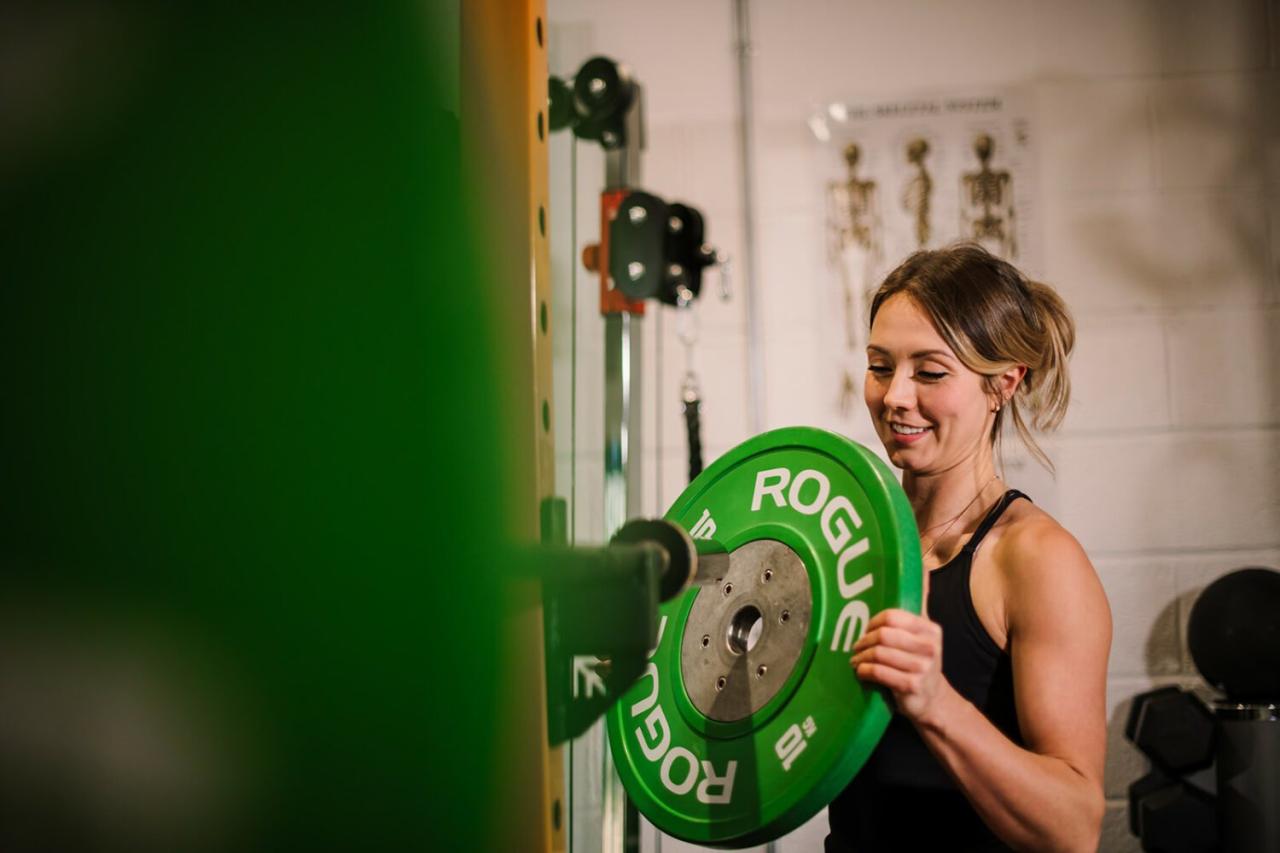
Injuries are an unfortunate yet common aspect of professional sports, impacting not only performance but also an athlete’s career longevity. Understanding injury prevention and management is crucial for athletes aiming to maintain peak performance levels. By adopting preventive measures and effective management strategies, athletes can reduce injury risks and ensure a swift recovery when injuries do occur.Common injuries faced by professional athletes include sprains, strains, fractures, and tendonitis.
These injuries can often result from overuse, poor conditioning, or inadequate warm-up routines. Athletes can adopt several preventive measures to minimize the likelihood of injuries. Key strategies include:
- Proper Warm-Up: Engaging in a dynamic stretching routine enhances flexibility and prepares the body for intense activity.
- Strength Training: Targeted strength exercises fortify muscles and ligaments, providing better support to joints.
- Technique Optimization: Learning and applying proper techniques during training and competition can prevent undue stress on the body.
- Cross-Training: Varying workouts by incorporating multiple sports or activities helps avoid overuse injuries.
- Regular Assessments: Consulting with sports professionals for biomechanical assessments can identify potential injury risks.
Injury Management Plan
An effective injury management plan is essential for swift recovery. Rehabilitation exercises play a pivotal role in healing and restoring function. The following structured plan Artikels crucial steps in injury management:
1. Immediate Care
Implement the RICE method (Rest, Ice, Compression, Elevation) to reduce swelling and pain right after an injury occurs.
2. Assessment
Maximize your protection and savings with The Advantages of Having Multiple Insurance Policies. By bundling your policies, you not only streamline your coverage but also unlock significant discounts. It’s a smart move that offers comprehensive security for your home, health, and vehicle, keeping you and your family safe.
Seek a professional evaluation to determine the extent of the injury and develop a tailored rehabilitation plan.
3. Rehabilitation Exercises
Focus on regaining strength and mobility through specific exercises. Examples include:
Range of Motion Exercises
Planning for the future? Explore the top options with Top Life Insurance Plans to Consider in 2026. These plans offer peace of mind, ensuring your loved ones are financially secure. With customizable coverage and competitive rates, investing in the right policy has never been easier or more essential.
Gentle stretching and movement to maintain flexibility.
Strengthening Exercises
Gradual integration of resistance training targeting the affected area.
Functional Exercises
Sport-specific drills that mimic the actions of the athlete’s sport to ensure a safe return to play.
4. Gradual Return to Activity
Slowly reintroducing activities while monitoring for pain or discomfort ensures the athlete does not rush back into full participation.
5. Follow-Up Care
Continuous check-ins with sports medicine professionals help in making any necessary adjustments to the rehabilitation program.
Role of Sports Professionals
Sports professionals, including athletic trainers, physiotherapists, and sports medicine doctors, play a critical role in both injury prevention and recovery. Their expertise is fundamental in several areas:
- Education: Providing athletes with knowledge about proper techniques and injury risks.
- Pre-Participation Evaluations: Conducting assessments to identify risk factors and develop personalized training regimens.
- Injury Rehabilitation: Guiding athletes through recovery, ensuring adherence to rehabilitation protocols for optimal healing.
- Performance Monitoring: Observing athletes during training and competition to identify early signs of injury or fatigue.
- Psychological Support: Offering mental conditioning strategies to maintain motivation and focus during recovery periods.
By integrating these preventive measures and management strategies, athletes can significantly improve their resilience against injuries while ensuring efficient recovery, ultimately contributing to their long-term success in professional sports.
Cross-Training Benefits
Cross-training is an invaluable component in the regimen of professional athletes, providing a holistic approach to improving performance, enhancing strength, and preventing injuries. By engaging in various physical activities outside of their primary sport, athletes can develop a well-rounded skill set, ensuring they are not only excelling in their chosen discipline but also minimizing the risk of overuse injuries.Cross-training offers numerous advantages that contribute significantly to overall athletic performance.
By incorporating different types of exercises, athletes can enhance their endurance, flexibility, and strength while promoting faster recovery. This multifaceted approach not only boosts athletic prowess but also keeps training fresh and engaging, which is vital for maintaining motivation and preventing burnout.
Advantages of Cross-Training
Cross-training provides several key benefits that support athletes in achieving peak performance levels. The following points highlight the importance of integrating diverse training routines:
- Enhanced Overall Fitness: Engaging in various forms of exercise improves cardiovascular health, builds muscular strength, and increases flexibility.
- Reduced Risk of Injury: By diversifying workouts, athletes can alleviate repetitive strain on specific muscles and joints, reducing the likelihood of overuse injuries.
- Improved Recovery: Cross-training encourages active recovery, allowing athletes to work different muscle groups while giving primary muscles time to heal.
- Increased Motivation: A varied training routine can combat boredom, maintaining enthusiasm and drive during training cycles.
- Skill Transfer: Different sports or activities can improve related skills, such as agility, coordination, and balance, which are beneficial in an athlete’s primary sport.
Effective Cross-Training Exercises
Incorporating a variety of cross-training exercises can significantly enhance an athlete’s performance. Here are some examples of effective activities and their applications:
- Swimming: This low-impact exercise builds cardiovascular endurance while providing a full-body workout that minimizes stress on joints.
- Cycling: Excellent for improving leg strength and cardiovascular fitness without the impact associated with running.
- Yoga: Enhances flexibility, balance, and mental focus, making it a great complementary practice for athletes across all sports.
- Plyometrics: High-intensity exercises that develop explosive power and agility, effective for sports requiring quick bursts of speed.
- Resistance Training: Incorporating weightlifting or bodyweight exercises to build strength and correct muscular imbalances.
Burnout and Overuse Injury Prevention
Cross-training serves as a strategic method for athletes to prevent burnout and manage the risk of overuse injuries. By alternating their training focus, athletes can:
- Engage Different Muscle Groups: Switching up activities ensures that no single group is overtrained, which is crucial for long-term athletic health.
- Maintain Mental Freshness: Variety in training routines helps sustain enthusiasm and dedication, preventing the mental fatigue often associated with repetitive training.
- Promote Recovery: Active recovery through low-impact activities allows athletes to stay fit while reducing strain on overworked areas.
- Adapt to Fatigue: Recognizing when to shift focus allows athletes to adjust their training intensity based on how their body feels, ultimately leading to better performance outcomes.
Cross-training is an essential strategy for athletes aiming to maximize performance while minimizing the risk of injury and burnout.
FAQ Summary
What is periodization in athletic training?
Periodization is the systematic planning of athletic training that involves varying training intensity and volume over specific periods to optimize performance peaks.
How important is nutrition for athletes?
Nutrition is crucial for athletes as it fuels performance, aids recovery, and supports overall health, making meal planning essential for success.
What are some effective recovery methods?
Effective recovery methods include active recovery, stretching, massage therapy, and adequate sleep, all of which help reduce muscle soreness and improve performance.
How can I improve my mental toughness?
Mental toughness can be improved through visualization techniques, setting challenging goals, and developing a positive mindset to cope with stress and challenges.
What is cross-training and why is it beneficial?
Cross-training involves engaging in different sports or exercises to enhance overall athletic performance, prevent burnout, and reduce the risk of overuse injuries.