The Benefits of CrossFit for Athletes unfolds a fascinating journey into the world of high-intensity training that combines strength, endurance, and flexibility. Developed from a blend of various fitness disciplines, CrossFit has rapidly risen to prominence among athletes and fitness enthusiasts alike. With its unique methodology and community-driven approach, it empowers individuals to push their limits and achieve outstanding results.
CrossFit isn’t just about lifting weights; it’s a holistic approach to fitness that encompasses physical conditioning, mental resilience, and nutritional guidance tailored specifically for athletes. As we delve deeper into the numerous advantages of CrossFit, you’ll discover how it not only enhances physical performance but also fosters a robust mindset and supportive community.
Introduction to CrossFit
CrossFit is a high-intensity fitness program that combines elements of weightlifting, gymnastics, and cardiovascular training. Designed to improve overall fitness and athletic performance, it follows a unique methodology that emphasizes functional movements performed at high intensity. This approach to fitness not only builds strength and endurance but also enhances agility, balance, and flexibility, making it an ideal training regimen for both athletes and fitness enthusiasts alike.
Originating in the early 2000s, CrossFit was developed by Greg Glassman, who sought to create a comprehensive training program that was scalable for all fitness levels. The first official CrossFit gym, or “box,” opened in Santa Cruz, California, and from there, the concept rapidly evolved, spreading across the globe. By incorporating varied workouts, known as WODs (Workout of the Day), CrossFit has grown into a worldwide phenomenon, hosting annual competitions like the CrossFit Games, which showcase the fittest athletes on the planet.
Today, CrossFit enjoys immense popularity due to its community-driven environment and the diverse skill sets it develops, drawing in individuals from various athletic backgrounds and fitness levels alike.
Core Principles of CrossFit
The essence of CrossFit lies in its foundational principles, which focus on functionality and intensity. Understanding these core tenets is crucial to grasping how CrossFit can transform athletic performance and overall fitness.
- Functional Movements: CrossFit emphasizes exercises that mimic everyday activities, promoting strength and efficiency.
- High Intensity: Workouts are designed to push participants to their limits, maximizing effort to yield optimal results.
- Community and Support: The camaraderie within CrossFit boxes fosters a motivating environment where participants encourage and challenge each other.
- Scalability: All workouts can be adapted to suit different skill levels, making CrossFit accessible to everyone from beginners to elite athletes.
Physical Benefits of CrossFit
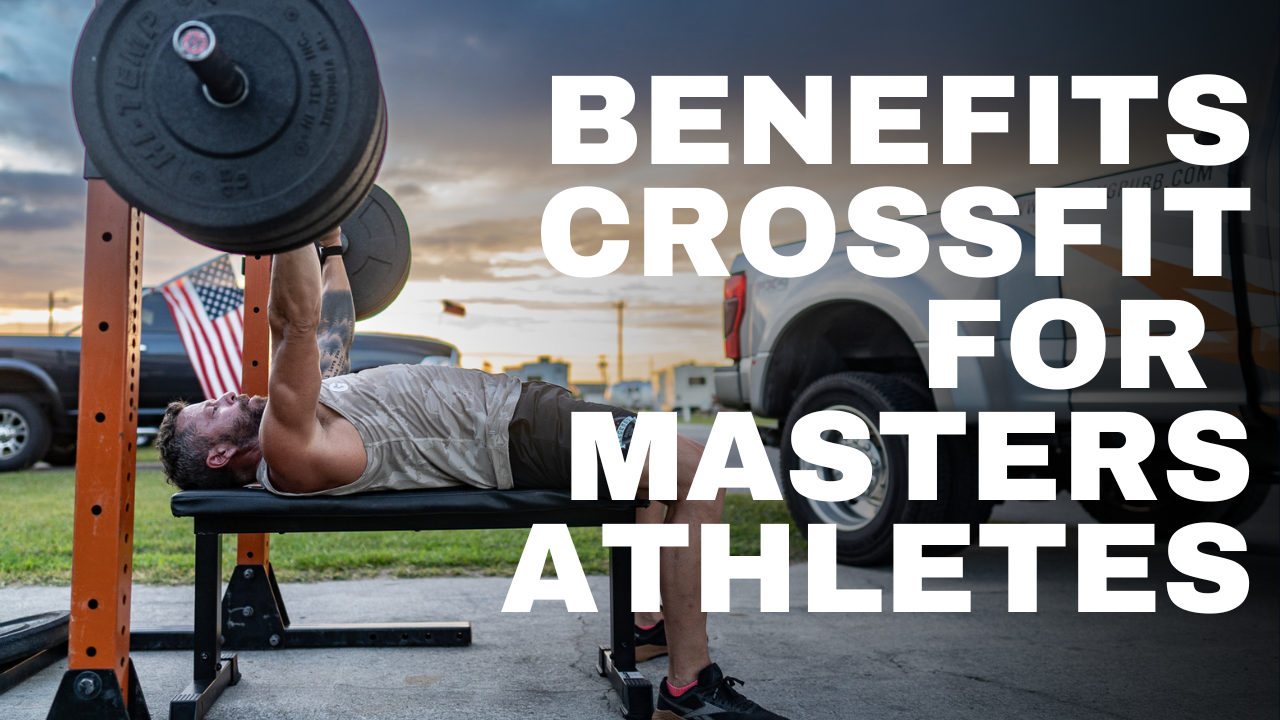
CrossFit is designed to enhance overall physical fitness through a combination of various training modalities. Athletes participating in CrossFit can expect significant improvements across multiple physical attributes, reinforcing their athletic performance and durability. From heightened strength to improved flexibility, CrossFit is a comprehensive approach to physical conditioning that tailors to the needs of athletes.The rigorous nature of CrossFit workouts promotes adaptations that lead to enhanced physical capabilities.
Strength and endurance are improved through high-intensity functional movements that engage multiple muscle groups. Additionally, flexibility is cultivated through dynamic exercises that require full range of motion, essential for preventing injuries and optimizing performance in competitive environments.
Improvements in Strength, Endurance, and Flexibility
CrossFit training incorporates a diverse array of exercises, each targeting specific aspects of physical conditioning. Below is a detailed list of exercises and their benefits for athletic performance:
- Deadlifts: This foundational exercise builds overall strength, particularly in the posterior chain, enhancing lifting power and posture.
- Squats: Enhances leg strength and stability, crucial for improving performance in sports that require explosive movements.
- Box Jumps: Develops explosive power and agility, ideal for athletes needing quick, dynamic movements.
- Push-Ups: Builds upper body strength and endurance, supporting performance in throwing and pushing movements.
- Burpees: Provides a full-body workout that boosts cardiovascular conditioning and functional strength.
- Kettlebell Swings: Improves core strength and hip power, which are vital for many athletic activities.
- Olympic Lifts (e.g., Clean and Jerk, Snatch): These complex lifts enhance strength, coordination, and flexibility, translating well to various sports requiring dynamic movement patterns.
- Rowing: A low-impact exercise that enhances aerobic capacity and endurance, allowing for longer performance times in competitive sports.
CrossFit’s unique combination of high-intensity interval training (HIIT) and functional movements ensures that athletes not only gain strength but also develop the stamina and flexibility necessary for peak performance. The diverse range of exercises allows for constant variation, keeping athletes engaged while promoting continuous improvement.
“CrossFit is more than just a workout; it’s a complete system for developing an athlete’s physical capabilities.”
Mental Benefits of CrossFit
CrossFit is not just a workout regime; it’s a mental game changer for athletes. Engaging in high-intensity workouts, coupled with a supportive community, helps individuals develop not only their physical capabilities but also their psychological resilience. This transformation can lead to enhanced performance, both in and out of the gym.CrossFit promotes mental toughness and resilience in athletes through consistent exposure to challenging workouts and competitive environments.
This unique training method requires participants to push past their limits, fostering a mindset of perseverance and determination. Over time, athletes learn to embrace discomfort and develop a stronger mental fortitude, which is essential for overcoming obstacles in sports and life.
Role of Community Support in Mental Health
The community aspect of CrossFit plays a critical role in enhancing mental health and motivation among athletes. This supportive environment offers camaraderie that is pivotal in helping individuals stay motivated and committed to their fitness goals. Here are some key components of how community support contributes to mental wellness:
- Encouragement: The collective energy and motivation from fellow CrossFitters encourage participants to push their limits and achieve personal bests.
- Accountability: Being part of a supportive community holds individuals accountable for their workouts, thus enhancing consistency and commitment.
- Shared Experience: Engaging in workouts as a group helps to cultivate friendships and bonds, creating a sense of belonging that is vital for mental health.
- Positive Reinforcement: Celebrating accomplishments, both big and small, within the community fosters a positive mindset and boosts self-esteem.
“Strength doesn’t come from what you can do. It comes from overcoming the things you once thought you couldn’t.” – Anonymous
Success Stories of Mental Growth
Real-life success stories exemplify the profound mental growth athletes experience through CrossFit. Many individuals have overcome significant personal challenges by participating in this community-driven fitness regime. For instance, one athlete, who struggled with anxiety for years, found solace and strength in the high-energy environment of CrossFit. The combination of intense physical activity and community support allowed her to gain confidence and significantly reduce her anxiety levels.Another inspiring story involves a former collegiate athlete who faced a career-ending injury.
Embracing CrossFit not only helped him regain physical fitness but also provided a new purpose and a community that supported his mental recovery. He discovered a renewed sense of achievement and mental resilience, proving that challenges can be transformed into opportunities for growth.Through these narratives, it becomes clear that CrossFit is more than just a physical endeavor—it’s a powerful vehicle for mental transformation, fostering tenacity, resilience, and a supportive network that empowers athletes to thrive in all aspects of life.
Injury Prevention and Recovery
CrossFit is not just about building strength and endurance; it also offers significant benefits in injury prevention and recovery. By emphasizing functional movement training, CrossFit can prepare athletes to handle the physical demands of various sports while reducing the risk of injuries. The incorporation of effective recovery protocols further enhances the body’s ability to heal and perform at its best.Functional movement training in CrossFit focuses on exercises that mimic real-world activities, promoting joint stability and muscular balance.
This type of training helps athletes develop the strength and coordination needed to perform movements safely and efficiently, minimizing the likelihood of injuries. Key movements within CrossFit that significantly contribute to injury prevention include:
Functional Movements for Injury Prevention
The following CrossFit exercises are essential in promoting joint stability and muscular balance, critical factors in injury prevention:
- Squats: Squats strengthen the lower body and improve hip mobility, critical for maintaining balance and stability.
- Deadlifts: This movement enhances core strength and teaches proper lifting techniques, reducing the risk of back injuries.
- Overhead Press: Strengthening the shoulders and upper back, this movement fosters shoulder stability, crucial for overhead activities in sports.
- Box Jumps: This plyometric exercise develops explosive power while enhancing proprioception and joint stability.
- Burpees: By working multiple muscle groups, burpees improve overall body coordination and agility, which are vital for injury prevention.
Incorporating recovery protocols into CrossFit routines is equally important for athletes aiming to prevent injuries. Adequate recovery helps the body repair itself, reduces muscle soreness, and prepares athletes for their next training session.
Recovery Protocols within CrossFit
Effective recovery strategies can be seamlessly integrated into CrossFit workouts, ensuring that athletes remain in peak condition. Here are essential methods to incorporate:
- Active Recovery Days: Schedule lighter workouts that focus on mobility and flexibility, allowing the body to recover without complete rest.
- Stretching and Mobility Work: Incorporate dynamic stretching before workouts and static stretching afterward to enhance flexibility and reduce muscle tightness.
- Hydration and Nutrition: Maintain proper hydration and fuel the body with nutrient-rich foods to support recovery and overall performance.
- Rest Periods: Allow sufficient rest between high-intensity workouts to enable muscles to repair and grow stronger.
- Foam Rolling: Utilize foam rollers post-workout to alleviate muscle soreness and improve blood flow, aiding in recovery.
By focusing on functional movements and implementing recovery protocols, CrossFit provides athletes with a comprehensive approach to injury prevention and recovery, ultimately enhancing performance and longevity in their respective sports.
Nutritional Guidance and Performance
Nutrition plays a critical role in optimizing the performance of athletes, especially those participating in high-intensity training like CrossFit. Fueling the body with the right nutrients not only enhances physical performance but also promotes recovery and overall health. For athletes, understanding the connection between nutrition and performance can be the key to achieving their fitness goals.Athletes engaged in CrossFit require a well-rounded diet that supports their energy demands and recovery needs.
The right balance of macronutrients—proteins, carbohydrates, and fats—is essential for sustaining energy levels during workouts and facilitating muscle repair afterward. Hydration is equally important, as it influences performance and recovery. Below is a table of recommended dietary practices that align with CrossFit training.
Recommended Dietary Practices
The following table Artikels dietary guidelines that athletes should consider to enhance their CrossFit experience. These practices focus on meal composition, timing, and specific food choices that promote peak performance.
| Dietary Practice | Description | Examples |
|---|---|---|
| Balanced Macronutrients | Ensure an adequate intake of proteins, carbohydrates, and fats for energy and recovery. | Lean meats, whole grains, healthy fats |
| Pre-Workout Nutrition | Consume a meal or snack 1-2 hours before training to maximize energy levels. | Banana with nut butter, oatmeal with berries |
| Post-Workout Nutrition | Focus on protein and carbohydrates within 30 minutes post-exercise for optimal recovery. | Protein shake with fruit, grilled chicken with sweet potatoes |
| Hydration | Stay hydrated before, during, and after workouts to maintain performance and recovery. | Water, electrolyte drinks, coconut water |
| Whole Foods | Prioritize whole, minimally processed foods to enhance nutrient intake. | Vegetables, fruits, nuts, seeds |
Meal prep is an effective strategy for athletes to stay on track with their nutrition. By planning and preparing meals in advance, athletes can ensure they have the right foods available to fuel their workouts and support recovery. Below are some meal prep ideas specifically tailored for CrossFit athletes.
Meal Prep Ideas
To keep nutrition on point, athletes can incorporate these meal prep ideas into their routines:
Power Bowls
Combine a source of protein (like grilled chicken or tofu), a base (such as quinoa or brown rice), and a variety of colorful vegetables. Drizzle with a homemade dressing for flavor.
Overnight Oats
Mix rolled oats with Greek yogurt and milk, and add toppings like fruits, seeds, or nut butter. This makes for a convenient, nutritious breakfast option packed with energy.
Vegetable Stir-Fry
Navigating insurance can be overwhelming, but understanding The Role of Insurance Agents in Choosing Policies can make all the difference. These professionals provide invaluable guidance, helping you select the right coverage tailored to your needs. Empower yourself with knowledge and let an expert assist you in making informed decisions for your financial future!
Prepare a mix of your favorite vegetables, protein, and whole grains. Store in airtight containers for quick lunches throughout the week.
Snack Packs
Create portable snack packs with nuts, seeds, dried fruits, and protein bars to keep energy levels up during busy days.
“Good nutrition is an investment in your performance.” – Unknown
CrossFit as a Team Sport
In the world of fitness, CrossFit stands out not only for its intense workouts but also for its unique approach to community and teamwork. While many may think of CrossFit as an individual sport, the reality is that it thrives on the dynamics of team competition and collaboration. Engaging in CrossFit as a team significantly enhances the workout experience, creating a sense of camaraderie that fuels motivation and fosters a supportive environment for achieving fitness goals.The collaboration within a CrossFit team brings about numerous advantages that contribute to both personal and collective success.
Are you looking to cut down on your expenses? Discover The Best Ways to Reduce Your Insurance Premiums and unlock savings on your insurance costs today! With strategic tips and expert advice, you’ll learn how to optimize your policies without compromising coverage. It’s time to take control of your finances and enjoy peace of mind!
Team dynamics create an atmosphere where athletes can push each other to excel, share tips, and celebrate milestones together. The essence of teamwork in CrossFit is not merely about competing against others but rather about uplifting one another to reach new heights.
Team Dynamics in CrossFit Competitions
CrossFit competitions can be approached in two ways: as an individual competitor or as a member of a team. While individual athletes focus solely on personal performance, team participants experience a shared journey that strengthens their bonds and enhances overall enjoyment in fitness.
- Shared Goals: When athletes train as a team, they establish collective goals, which fosters a unified purpose and encourages accountability among members.
- Enhanced Motivation: Team members inspire each other to push past limits, creating a vibrant environment where everyone strives to perform at their best.
- Variety in Training: Working with a team introduces diverse training methods and exercises, preventing monotony and promoting adaptability in workouts.
- Strengthened Community: The friendships formed through shared challenges not only make workouts more enjoyable but also build a supportive community that extends beyond the gym.
“Teamwork is the ability to work together toward a common vision. The ability to direct individual accomplishments toward organizational objectives. It is the fuel that allows common people to attain uncommon results.”
Competitive events in CrossFit serve as a catalyst for improving athletic performance among peers. Participating in these events allows teams to test their capabilities and push their limits, which can lead to significant growth in skills and fitness levels. Athletes often discover new strengths and areas for improvement when facing competition together. As teams compete, they learn to strategize and communicate effectively, enhancing their overall performance and building trust in one another’s abilities.
Get your heart pumping and boost your fitness level with The Best Cardiovascular Sports for Fitness. Whether you’re a beginner or a seasoned athlete, these engaging activities will help you achieve your health goals while having fun. Transform your workout routine and experience the benefits of improved cardiovascular health today!
These experiences often translate into improved performance in daily training sessions, as team members apply their collective insights and learning to refine their techniques and routines.In essence, CrossFit as a team sport transforms the way athletes engage with fitness, emphasizing the importance of collaboration, support, and shared achievement in the quest for stronger, healthier bodies.
Customizing CrossFit Programs for Specific Sports
CrossFit is renowned for its versatility, making it an ideal training framework for athletes across various disciplines. By tailoring CrossFit programs to meet the specific demands of different sports, athletes can enhance their performance, improve their skill sets, and reduce the risk of injuries. This customization involves understanding the unique physical and mental requirements of each sport and integrating those elements into a comprehensive training regimen.Crafting a CrossFit program for a specific sport necessitates consideration of the sport’s demands, including strength, speed, agility, and endurance.
For instance, a CrossFit program designed for soccer players will focus on building cardiovascular endurance, explosive power, and agility. Conversely, a program for basketball players will prioritize vertical jump, overall body strength, and lateral movements.
Sample CrossFit Program for Soccer
This detailed program highlights the specific needs of soccer athletes. The training sessions will emphasize endurance, agility, and strength, with a blend of high-intensity workouts and skill drills. Weekly Overview:
Frequency
4 days per week
Duration
60 minutes per session Session Breakdown:
1. Warm-up (15 minutes)
Dynamic stretches focusing on hip mobility.
Agility ladder drills to improve footwork.
2. Strength Training (20 minutes)
Back squats
4 sets of 6-8 reps for lower body strength.
Deadlifts
4 sets of 6-8 reps for posterior chain development. WOD (Workout of the Day) –
20 minutes
5 rounds for time
200m sprint
– 10 burpees
10 box jumps (24-inch box)
15 kettlebell swings (24kg)
4. Skill Work (5 minutes)
Passing drills with a partner to improve technical skills.
5. Cool Down (5 minutes)
Static stretching focusing on hamstrings, quads, and calves.
Monitoring progress is essential for ensuring the athlete is on track to meet their goals. Tools such as performance tracking apps or training logs can be utilized to record metrics and adjust workouts accordingly. Specific indicators to monitor include:
- Improvement in sprint times.
- Increased weights lifted during strength sessions.
- Enhanced agility test results.
By regularly assessing these metrics, athletes can modify their training plans to ensure optimal performance and alignment with their competitive goals.
“Tailoring your CrossFit program to your sport ensures that every minute spent training translates directly to enhanced performance on the field.”
Technology and CrossFit
Advancements in technology have profoundly transformed the way CrossFit athletes train, compete, and assess their performance. The integration of various tech tools into workouts not only enhances efficiency but also drives athletes towards achieving their fitness goals more effectively. From smart devices to specialized apps, technology plays a crucial role in tracking progress and facilitating personalized training regimens.One of the most significant impacts of technology on CrossFit training is the ability to collect and analyze performance data.
This data-driven approach allows athletes to monitor their workouts closely, identify strengths and weaknesses, and adjust training plans accordingly. By leveraging technology, athletes can enhance their overall performance, set realistic goals, and continually improve their skills.
Performance Tracking Devices
Wearable technology has revolutionized how CrossFit athletes monitor various aspects of their training. These devices not only track heart rate and calories burned but can also provide insights into movement patterns and recovery times. The importance of these devices lies in their ability to provide real-time feedback, helping athletes maximize their training efficiency.Examples of beneficial devices include:
- Fitness Trackers: Devices like Fitbits and Garmin watches offer comprehensive health metrics, including heart rate variability and sleep patterns, which are crucial for recovery.
- Smart Shoes: Brands like Nike have introduced smart shoes that measure foot strike and performance metrics to help improve running efficiency during CrossFit WODs.
- Heart Rate Monitors: Polar and Wahoo provide heart rate monitors that sync with apps, allowing athletes to keep their intensity in check and optimize workouts.
Training and Nutrition Apps
Mobile applications designed for CrossFit provide a platform for athletes to log workouts, track nutrition, and connect with the community. These apps often include features that encourage accountability, making it easier for athletes to stay on track in their fitness journey.Top apps beneficial for CrossFit athletes include:
- MyFitnessPal: Ideal for tracking daily caloric intake and macronutrients, helping athletes maintain their nutritional goals.
- WOD Nation: This app provides access to a vast library of workouts, allowing users to tailor their training based on specific skills or fitness levels.
- TrainHeroic: A platform that offers personalized training programs and allows coaches to track athlete progress through detailed analytics.
Data Analysis for Improved Outcomes
The use of data analytics to assess performance trends plays a vital role in refining training methods. Coaches and athletes can utilize software that analyzes workout data to pinpoint areas for improvement. This analysis helps in goal setting, ensuring that targets are both challenging and achievable.Key considerations for data analysis include:
- Progress Tracking: Monitoring improvements over time can help maintain motivation and provide insight into what training methods are most effective.
- Performance Benchmarks: Establishing benchmarks based on data collected allows athletes to set specific, measurable goals in their training.
- Recovery Optimization: Analyzing recovery patterns and fatigue levels can guide athletes in balancing high-intensity workouts with necessary rest periods.
“Incorporating technology into CrossFit not only enhances performance but also empowers athletes to make informed decisions about their training and recovery.”
Popular Questions
What is CrossFit?
CrossFit is a high-intensity fitness program that combines various exercises such as weightlifting, cardio, and gymnastic movements to enhance overall athletic performance.
How can CrossFit improve my athletic performance?
CrossFit enhances strength, endurance, agility, and flexibility, which are critical components for success in any sport.
Is CrossFit suitable for beginners?
Yes, CrossFit can be tailored to accommodate all fitness levels, including beginners, with scalable workouts to ensure safety and progression.
Can CrossFit help with injury recovery?
CrossFit’s focus on functional movements and strength training can promote recovery by improving joint stability and muscular balance.
What should I eat to complement my CrossFit training?
A balanced diet rich in proteins, healthy fats, and carbohydrates is essential to fuel CrossFit workouts and support recovery.