The Benefits of Teamwork in Sports is a powerful force that transforms athletes and teams alike. In the competitive arena of sports, success is rarely a solo endeavor; it flourishes through collaboration, communication, and shared goals. When athletes unite, they not only elevate their performance but also create an atmosphere of trust and camaraderie that enhances the overall experience. Join us as we explore the myriad ways teamwork catalyzes success in sports, from improved communication to unforgettable moments of triumph.
Teamwork is the backbone of any successful sports team, facilitating effective communication and leading to shared victories. This dynamic synergy among players fosters a sense of belonging, enhances mental health, and develops valuable leadership skills. In a world where individual talent shines, the collective effort of a team truly makes the difference between winning and losing.
Importance of Teamwork in Sports
Teamwork is the backbone of success in any sports setting. It fosters unity, enhances performance, and creates an environment where athletes can thrive. With a shared goal and collective effort, teams can achieve remarkable feats that would be unattainable individually. The synergy generated through effective teamwork not only boosts morale but also leads to heightened competitiveness on the field.The role of communication among team members cannot be overstated.
Sports play a crucial role in the development of teenagers, shaping their physical and emotional growth. Participation in athletics fosters key social skills and boosts self-esteem, making it an essential part of their journey. Dive deeper into the importance of sports with our insightful piece on Why Sports Are Critical for Teen Development.
Clear and consistent dialogue ensures that all players are on the same page, enabling strategic plays and quick adaptations during games. Miscommunication can lead to missed opportunities and costly mistakes. Therefore, honing communication skills is essential for any team striving for excellence.
Key Characteristics of Effective Teamwork in Sports
Effective teamwork encompasses several characteristics that contribute to a sports team’s overall success. Understanding these elements can help teams maximize their potential and achieve their objectives. The following characteristics are foundational to effective teamwork in any sporting context:
- Trust: Trust among team members enhances collaboration and instills confidence, allowing players to rely on one another during high-pressure situations.
- Shared Goals: A unified vision motivates individuals to work together towards common objectives, creating a sense of purpose in every practice and match.
- Complementary Skills: Team members should possess unique skills that complement each other, ensuring a well-rounded and versatile approach to challenges faced on the field.
- Positive Attitude: Maintaining an optimistic outlook fosters resilience in the face of adversity, encouraging teammates to uplift one another and strive for improvement.
- Open Communication: Constructive feedback and open lines of communication enable teams to address any issues promptly and enhance overall performance.
- Adaptability: Teams must be agile and willing to adjust strategies as conditions change during competitions, ensuring they can respond effectively to opponents and circumstances.
These characteristics not only enhance team dynamics but also contribute to higher levels of performance. As athletes learn to rely on one another and work collaboratively, they develop chemistry that is critical in competitive sports environments.
“Teamwork divides the task and multiplies the success.”
Psychological Benefits of Teamwork
The impact of teamwork in sports extends far beyond the physical realm, significantly influencing the mental and emotional well-being of athletes. Engaging with teammates fosters a positive psychological environment, which can enhance motivation, instill a sense of belonging, and nurture essential leadership skills vital for both personal and professional growth.Teamwork plays a pivotal role in shaping the mental health of athletes.
The collaborative nature of sports allows individuals to share their experiences, challenges, and victories, promoting emotional resilience. When athletes work together, they inspire and motivate each other, creating a dynamic of encouragement that can lead to improved performance and mental fortitude. A supportive team not only boosts self-esteem but also helps in reducing anxiety and stress levels, contributing positively to overall mental health.
Discover how engaging in sports can provide essential life lessons that extend far beyond the playing field. These experiences foster teamwork, resilience, and discipline, making sports a valuable teacher in our lives. Learn more about the profound impact of athletics in our detailed article on Why Sports Can Teach Valuable Life Lessons.
Impact on Mental Health and Motivation
The psychological advantages of teamwork are well-documented, highlighting how collective efforts can enhance individual mental well-being. Here are key points illustrating this impact:
- Positive reinforcement from teammates uplifts spirits and fosters a growth mindset.
- Shared goals and collective success create a sense of purpose and direction.
- Regular interaction and collaboration reduce feelings of isolation and loneliness.
- Mutual support systems enhance emotional stability during competitive pressures.
“Teamwork is the fuel that allows common people to attain uncommon results.” – Andrew Carnegie
Sense of Belonging and Camaraderie
Teamwork cultivates a strong sense of belonging among athletes, leading to deeper connections and friendships. The shared experiences of victory and defeat forge bonds that transcend the sports arena, resulting in a supportive network. This camaraderie enhances mental well-being and encourages athletes to push their limits. Key elements that contribute to this sense of belonging include:
- Shared rituals and celebrations strengthen team identity.
- Open communication fosters trust and understanding among team members.
- Participating in team-building activities boosts morale and unity.
Development of Leadership Skills
Teamwork is instrumental in developing leadership qualities within sports. Athletes learn to navigate group dynamics, encouraging them to step into leadership roles as they understand their responsibilities to the team. Leadership skills honed through teamwork can translate to various life aspects, including career and personal relationships.Important aspects of leadership development include:
- Understanding the importance of delegation and collaboration.
- Practicing conflict resolution and decision-making skills.
- Learning to motivate and inspire peers towards common objectives.
Physical Benefits of Teamwork
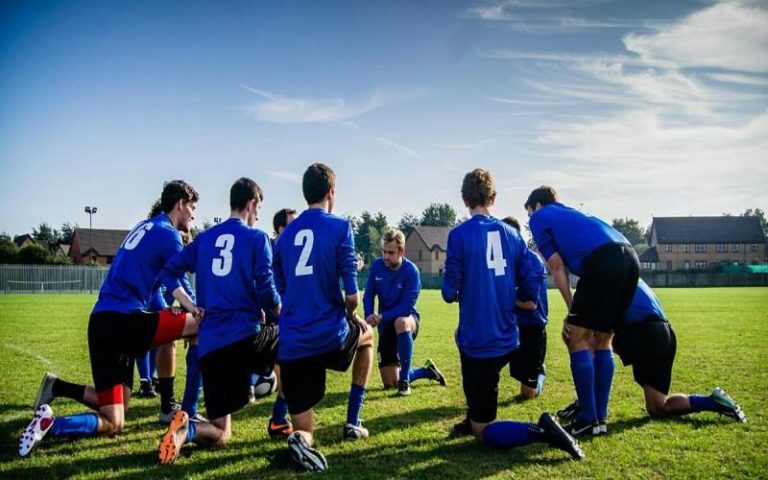
Teamwork in sports is not just about camaraderie and support; it significantly enhances physical performance and training efficiency. Athletes who engage in team-based activities often witness improvements in their endurance, strength, and overall fitness levels. The collective effort of a team can lead to accelerated physical development, ensuring that each member pushes their limits further than they might alone.One of the most compelling aspects of teamwork is how it fosters training strategies that enhance individual athletic skills.
When athletes train together, they can leverage each other’s strengths, providing motivation and accountability, which can lead to optimized training sessions. For instance, a basketball team may practice shooting drills in pairs, where one player rebounding and passing the ball allows the shooter to focus solely on their accuracy and technique. This synergistic approach not only hones individual skills but also constructs a stronger team dynamic, allowing players to anticipate and react to each other’s movements instinctively.
For commuters seeking efficiency without sacrificing style, hybrid cars are the ultimate solution. These vehicles blend eco-friendly technology with superb performance, ensuring you enjoy every drive. Discover the top models that fit your lifestyle in our guide on The Best Hybrid Cars for Commuters.
Examples of Team-Based Strategies for Improvement
The implementation of specialized team-based strategies can yield significant physical benefits for individual athletes. These strategies encourage collaboration and enhance performance outcomes. Consider the following examples:
- Relay Races: In track and field, relay races improve speed and coordination among team members. Each runner must not only focus on their performance but also seamlessly transition the baton, emphasizing synchronized effort.
- Team Drills: Soccer teams often utilize drills that require players to work together, such as positional play drills. These simulations enhance stamina and teach players to move efficiently across the field, improving their physical capabilities as part of a unit.
- Group Workouts: CrossFit teams and similar fitness groups engage in partner workouts that emphasize resistance training and cardio. Working with a partner can lead to increased motivation and competition, pushing each athlete to exceed their personal bests.
The illustration of synchronized effort in sports is evident in rowing teams. In a rowing competition, each member of a crew must pull at the same rhythm and angle to achieve optimal speed and fluidity on the water. The physical exertion of one rower directly impacts the performance of the entire team, demonstrating that when athletes align their physical efforts, the outcome is significantly enhanced.
This perfect synchronization not only improves the overall performance of the boat but also fosters a deep sense of unity among the rowers, showcasing how teamwork can amplify individual strength and stamina in a competitive setting.
Examples of Successful Teamwork in Sports
Successful teamwork in sports is not merely about individual talent but the synergy that emerges when players work together towards a common goal. This collaboration fosters resilience, enhances performance, and leads to remarkable achievements that are remembered for generations. Numerous case studies illustrate how effective teamwork can lead to victory, regardless of the sport.
Case Studies of Successful Sports Teams
Several sports teams have exemplified the power of teamwork, demonstrating diverse strategies and styles that contribute to their success. Below are notable examples:
- Chicago Bulls (NBA, 1990s): Under the leadership of coach Phil Jackson, the Bulls developed the “Triangle Offense,” a strategy that emphasized ball movement and player spacing. This approach allowed superstars like Michael Jordan and Scottie Pippen to play off each other, enhancing team dynamics and leading to six NBA championships.
- New Zealand All Blacks (Rugby): Renowned for their teamwork, the All Blacks incorporate the concept of “whānau” (family) into their culture, emphasizing trust and support among teammates. Their collaborative training methods and strong communication have made them one of the most successful teams in rugby history, with multiple Rugby World Cup victories.
- Manchester United (Premier League, 1990s-2000s): Under the management of Sir Alex Ferguson, this team showcased a strong midfield with players like Ryan Giggs and Paul Scholes. Their ability to work together and adapt to various situations allowed them to dominate English football, securing numerous league titles and Champions League trophies.
Unique Approaches to Teamwork Dynamics in Different Sports
Different sports have unique requirements and approaches to teamwork, showcasing how varied dynamics can lead to success:
- Football (Soccer): Teamwork in football revolves around communication, positioning, and strategy. Players often engage in complex formations, where roles are clearly defined but flexible, allowing for quick adjustments during the game.
- Basketball: The fast-paced nature of basketball requires players to have an innate understanding of each other’s movements. The use of plays and set formations promotes effective teamwork, enabling players to create scoring opportunities through collaboration.
- Volleyball: In volleyball, teamwork is critical as players rely on each other’s strengths for successful plays. Communication through calls and signals is essential for effective defence and attack strategies, showcasing a high level of coordination.
Famous Sports Moments Highlighting Teamwork
Historical sports moments often highlight the importance of teamwork, showcasing how collective effort can lead to extraordinary achievements. Here are notable instances:
- USA Men’s Basketball Team (2008): Known as the “Redeem Team,” this squad demonstrated unparalleled teamwork during the Beijing Olympics. Their unity and selflessness led them to reclaim Olympic gold, overcoming challenges through shared commitment and trust.
- Leicester City (Premier League, 2015-2016): This underdog team captured the world’s attention by winning the Premier League title despite 5000-1 odds. Their collective effort and belief in each other’s abilities transformed them into champions, showcasing the essence of teamwork in sports.
- Boston Red Sox (2004): Ending an 86-year championship drought, the Red Sox’s collaboration during the playoffs exemplified teamwork. Their resilience and strategic plays, particularly in the ALCS against the New York Yankees, demonstrated how working as a cohesive unit can lead to historic victories.
Challenges in Teamwork
Teamwork in sports can be incredibly rewarding, but it also presents a distinct set of challenges that can hinder a team’s effectiveness and cohesion. Understanding these challenges is crucial for any team striving for success. In this section, we will explore common obstacles teams face, methods to resolve conflicts, and effective strategies to build trust among team members.
Common Challenges Teams Face
Teams often encounter a variety of challenges that impact their ability to function effectively. Key issues include communication breakdowns, differing personalities, and conflicting goals. These factors can create an environment of tension and dissatisfaction, which may ultimately lead to decreased performance on the field. Recognizing these challenges is the first step toward building a more harmonious team dynamic.
Methods to Overcome Conflicts
Conflicts within a sports team can arise from misunderstandings, competitive pressures, or external stressors. To maintain a positive atmosphere and resolve disputes effectively, teams can implement several methods:
- Open Communication: Establishing regular check-ins and creating safe spaces for team members to express concerns helps prevent misunderstandings.
- Mediation: Involving a neutral party to facilitate discussions can help diffuse tensions and encourage collaboration.
- Team Building Activities: Engaging in activities outside of the typical training routines fosters relationships and improves understanding among members.
- Conflict Resolution Training: Providing team members with skills to handle disputes can empower them to address issues proactively.
Strategies to Build Trust
Trust is the backbone of effective teamwork in sports. Without it, collaboration and communication suffer. Here are key strategies for cultivating trust within a team:
- Consistency: Team members should demonstrate reliability by following through on commitments.
- Transparency: Sharing information openly fosters a sense of inclusion and accountability.
- Encouragement: Acknowledging individual contributions and celebrating team successes can strengthen bond among team members.
- Shared Goals: Aligning objectives ensures all members are working towards the same outcome, which builds a collective identity.
Trust is built through consistent actions, open communication, and a shared vision.
Coaching and Teamwork
The role of coaches in sports transcends mere instruction; they are pivotal in fostering teamwork among athletes. By instilling values of collaboration, communication, and mutual respect, coaches create an environment where teamwork thrives. This synergy not only enhances individual performance but also propels the entire team towards collective success.Coaches employ a variety of techniques to promote collaboration and synergy within their teams.
One of the most effective methods is through team-building exercises that encourage athletes to understand each other’s strengths and weaknesses. These activities can range from strategic drills to social outings that allow team members to bond outside of the competitive arena. By emphasizing open communication, coaches enable athletes to express their thoughts and ideas freely, which is essential for effective teamwork.
Techniques to Promote Collaboration
Several specific techniques are instrumental in promoting a collaborative atmosphere among athletes. Understanding these methods can enhance the overall dynamics of a team:
- Setting Common Goals: Coaches guide teams in establishing shared objectives that align individual ambitions with team success. This fosters a sense of unity and purpose.
- Encouraging Peer Feedback: Creating a culture where teammates provide constructive feedback helps build trust and accountability, reinforcing the collaborative spirit.
- Implementing Role Clarity: Coaches clarify each player’s role within the team, ensuring everyone understands their contributions and responsibilities, which minimizes conflicts and enhances efficiency.
- Regular Team Meetings: Holding meetings to discuss strategies, performance, and concerns strengthens bonds and keeps everyone aligned with the team’s vision.
Coaching styles significantly influence a team’s dynamics and performance. A coach’s approach can range from authoritarian to democratic, each affecting how players interact and collaborate. For instance, a participative coaching style encourages athletes to take an active role in decision-making, leading to higher engagement and investment in the team’s success. Conversely, a more directive style may foster discipline but can stifle creativity and open communication.
“The greatest skill of a coach is to transform a group of individuals into a cohesive unit, driving them towards a common goal.”
By adapting their coaching styles to suit the team’s needs, coaches can harness the full potential of their athletes, leading to improved performance and a stronger sense of teamwork.
Teamwork Beyond Sports
Teamwork in sports extends far beyond the field, serving as a powerful training ground for vital life skills. The lessons athletes learn while collaborating towards a common goal can be applied in various aspects of life, from personal relationships to professional environments. This transition from sports to everyday life highlights the profound impact of teamwork on personal development and community engagement.The significance of teamwork is especially pronounced in community sports programs and youth development initiatives.
These programs not only foster athletic abilities but also instill essential values such as cooperation, communication, and resilience in young participants. The transferable skills gained through these collaborations can shape future leaders and engaged citizens.
Transferable Skills from Sports to Daily Life
The skills developed through teamwork in sports have widespread applications across different spheres. These competencies play a crucial role in enhancing personal relationships and professional interactions. Key skills include:
- Communication: Effective verbal and non-verbal communication is critical in team sports and is equally important in workplace environments where clarity promotes collaboration and efficiency.
- Conflict Resolution: Navigating disagreements and finding solutions is a core aspect of team dynamics, equipping individuals with the ability to mediate conflicts in various social and professional settings.
- Leadership: Team sports cultivate leadership qualities, enabling individuals to inspire and motivate others, an essential trait in any team-driven environment.
- Time Management: Balancing practice schedules, game days, and personal commitments teaches participants how to prioritize effectively, a skill directly applicable in the fast-paced world of work.
- Trust Building: Developing trust with teammates fosters a sense of security and reliability that translates into personal relationships and team-based projects in the workplace.
A person who learns to work as part of a team can navigate the complexities of life with resilience and confidence.
Importance of Teamwork in Community Sports Programs
Community sports programs are pivotal in shaping young minds and promoting teamwork. These initiatives serve as platforms where children and adolescents can experience the benefits of collaboration first-hand. Engaging in sports within a community context enhances social bonds and builds a sense of belonging. Through these programs, youth learn to work together towards shared goals, fostering an environment of mutual respect and support.
The lessons acquired in these settings can lead to long-lasting friendships and a commitment to community service, as participants often become more invested in their neighborhoods.
Integrating Teamwork Principles into Everyday Interactions
Implementing teamwork principles in everyday interactions can greatly enhance personal and professional relationships. A framework for this integration includes:
- Set Clear Goals: Just as teams set objectives before games, individuals should define clear, achievable goals in group settings.
- Encourage Open Dialogue: Promote an environment where all voices are heard. Effective communication is the foundation of successful teamwork.
- Recognize Contributions: Acknowledge individual efforts within a group to boost morale and encourage continued collaboration.
- Foster Inclusivity: Ensure everyone feels welcome and valued in group settings, which enhances commitment and collective success.
- Reflect on Experiences: After completing tasks, discuss what worked well and what could be improved, similar to post-game analyses in sports.
By applying teamwork principles to daily interactions, individuals can create more cohesive and productive environments.
Quick FAQs
Why is teamwork essential in sports?
Teamwork is essential in sports as it enhances communication, promotes trust, and leads to improved performance and success.
How does teamwork impact an athlete’s mental health?
Teamwork fosters a sense of belonging and support, which can significantly boost an athlete’s mental health and motivation.
Can teamwork skills be applied outside of sports?
Absolutely! The skills learned through sports teamwork, such as collaboration and effective communication, are valuable in all areas of life.
What are some common challenges teams face?
Common challenges include conflicts among team members, lack of communication, and varying levels of commitment.
How can coaches enhance teamwork in their teams?
Coaches can enhance teamwork by promoting open communication, implementing team-building activities, and fostering a supportive environment.