The Benefits of Yoga for Sports Performance unveils an exciting fusion of ancient practice and modern athleticism, where the grace of yoga meets the grit of sports. Athletes across the globe are discovering that incorporating yoga into their training not only enhances their physical abilities but also sharpens their mental focus. This powerful connection between yoga and peak performance has been recognized historically, offering athletes a holistic approach to excel in their disciplines.
Yoga enhances flexibility and strength, helping athletes achieve their best physical condition. Furthermore, it promotes mental resilience and stress management, crucial elements for competitive success. As we delve deeper, explore how this transformative practice can revolutionize your athletic journey.
Introduction to Yoga and Sports Performance
Yoga, an ancient practice rooted in the philosophy of mindfulness and balance, has emerged as a powerful tool for enhancing sports performance. Athletes across various disciplines are increasingly recognizing the benefits of incorporating yoga into their training regimens. This holistic approach not only improves physical attributes such as flexibility, strength, and endurance, but also cultivates mental resilience and focus, essential elements for competitive success.The connection between yoga and athletic performance is profound.
Through a combination of postures (asanas), breathing techniques (pranayama), and meditation, yoga fosters a well-rounded athletic development. The physiological benefits of yoga are backed by research, indicating that regular practice can enhance muscle function, improve recovery times, and reduce the risk of injury. Moreover, the mental clarity and emotional stability gained from yoga empower athletes to perform under pressure, adapt to challenges, and maintain a competitive edge.
Physical and Mental Enhancements through Yoga
Incorporating yoga into an athlete’s training can lead to significant improvements in both physical and mental capacities. Below are some crucial aspects that highlight the advantages of yoga for sports performance:
- Improved Flexibility: Enhanced flexibility from yoga helps in achieving better range of motion, reducing the likelihood of injuries during high-intensity physical activities.
- Increased Strength: Many yoga poses engage multiple muscle groups, promoting overall body strength that translates into better performance in sports like running, cycling, and team sports.
- Enhanced Balance and Coordination: Postures focusing on stability improve balance and coordination, critical for sports requiring agility, such as gymnastics and martial arts.
- Faster Recovery: The restorative nature of yoga aids in muscle recovery and alleviates soreness, allowing athletes to train harder and more frequently.
- Mental Focus and Clarity: Through mindfulness practices, yoga cultivates a strong mental focus, helping athletes to concentrate during performance and manage stress effectively.
- Emotional Stability: Regular yoga practice promotes emotional resilience, enabling athletes to cope better with the pressures of competition.
“Yoga is not about touching your toes, it is what you learn on the way down.” – Jigar Gor
The historical context of yoga in sports training is noteworthy. Initially popularized in the West during the 20th century, yoga has deep roots in Eastern traditions, where it was practiced not only for physical health but also for mental and spiritual development. Over the years, the integration of yoga into various sports disciplines has evolved, with many professional teams and athletes adopting it as a key component of their training programs.
This rich history underscores the timeless value of yoga in optimizing athletic performance.
Physical Benefits of Yoga
Yoga is an ancient practice that has been embraced by athletes across various sports for its remarkable physical benefits. Integrating yoga into a training regimen enhances performance by improving flexibility, range of motion, and strength, all of which are essential for athletes aiming to excel in their disciplines. The following sections delve into how yoga contributes specifically to these physical attributes, offering a potent supplement to traditional training methods.
Improvement of Flexibility and Range of Motion
Yoga is renowned for its ability to enhance flexibility and increase the range of motion in joints and muscles, which are critical for athletic performance. Regular practice of yoga poses, such as downward dog, warrior poses, and pigeon pose, effectively stretches and lengthens muscle fibers, promoting greater elasticity. This increased flexibility not only helps reduce the risk of injuries but also allows athletes to perform movements with greater ease and efficiency.
For instance, a study published in the Journal of Sports Science and Medicine found that athletes who practiced yoga showed a significant increase in their flexibility compared to those who only engaged in traditional strength training.
Impact on Strength Development
While yoga is often perceived primarily as a means to enhance flexibility, it also plays a vital role in building strength. Many yoga poses require the engagement of multiple muscle groups simultaneously, leading to functional strength development that is directly applicable to sports performance. For example, poses like crow and plank not only improve core strength but also build endurance and stability in the upper and lower body.
An analysis conducted by the International Journal of Yoga indicated that athletes who incorporated yoga into their routine experienced increased muscle strength alongside improved balance and coordination.
Comparison of Traditional Strength Training and Yoga
Understanding the differences in how traditional strength training and yoga contribute to muscle development can help athletes make informed decisions about their training regimens. Below is a comparison table that highlights key aspects of each approach:
| Feature | Traditional Strength Training | Yoga |
|---|---|---|
| Focus | Isolated muscle groups | Functional, whole-body strength |
| Intensity | High resistance, low repetitions | Bodyweight resistance, higher repetitions |
| Flexibility Improvement | Limited, often requires separate stretching | Significant improvement through poses |
| Injury Prevention | Moderate, relies on proper form | High, promotes balanced muscle development |
| Mind-Body Connection | Minimal emphasis | Strong focus on mindfulness and breath control |
By incorporating yoga into their training, athletes can achieve a balanced approach that enhances both flexibility and strength, leading to improved overall sports performance.
Mental Benefits of Yoga
Yoga is not only a physical practice; it plays a crucial role in enhancing mental fortitude, particularly for athletes. The ability to maintain focus and concentration during high-pressure situations is essential for competitive sports. Incorporating yoga into training routines helps athletes cultivate a mindset that promotes resilience, clarity, and enhanced performance. This section delves into the various mental benefits of yoga that significantly contribute to superior sports performance.
Enhancement of Focus and Concentration
The practice of yoga fosters improved concentration and mental clarity, fundamental traits for any athlete seeking to excel. Through various techniques such as breath control (pranayama) and mindful movement, athletes learn to direct their attention away from distractions and toward their performance. Key practices that enhance focus include:
- Mindful Breathing: Consistently practicing mindful breathing techniques allows athletes to stay present and engaged, reducing the likelihood of mental fatigue during competitions.
- Poses Requiring Balance: Asanas that challenge balance, such as Tree Pose or Warrior III, train the mind to maintain focus amidst physical challenges, which translates well to competitive scenarios.
- Meditative Practices: Daily meditation fosters an environment for athletes to cultivate a calm mind, enhancing their focus during key moments of competition.
Management of Stress and Anxiety
Competitive sports can induce significant stress and anxiety, impacting an athlete’s performance level. Yoga offers effective strategies for managing these feelings. By integrating yoga into their routine, athletes can develop coping mechanisms that promote emotional stability. Important elements include:
- Release of Muscle Tension: Certain yoga poses help relieve physical tension that often accompanies stress, allowing athletes to perform better by feeling lighter and more relaxed.
- Stress Reduction Techniques: Practices like Yoga Nidra or guided relaxation can decrease cortisol levels in the body, leading to a calmer state of mind.
- Visualization Techniques: Visualization integrated with yoga practices can help athletes prepare mentally for competitions by envisioning success and reducing pre-competition anxiety.
Mindfulness Practices and Their Relevance to Performance
Mindfulness is a core principle of yoga that encourages athletes to engage with the present moment, which can be transformative in high-stakes sports situations. By focusing on the here and now, athletes can access their full potential during competitions. The relevance of mindfulness in sports performance includes:
- Increased Awareness: Mindfulness practices enhance self-awareness, allowing athletes to recognize their emotional states and adjust their mindset as needed during performance.
- Enhanced Decision-Making: Clear and focused minds lead to better decision-making in critical moments, helping athletes respond effectively to dynamic situations in their sport.
- Improved Emotional Regulation: Practicing mindfulness aids athletes in maintaining emotional equilibrium, fostering a positive attitude and reducing performance anxiety.
“Yoga is the journey of the self, through the self, to the self.” – The Bhagavad Gita
Injury Prevention and Rehabilitation
Yoga is a powerful tool for athletes aiming to improve their performance and maintain a healthy body. One of the most critical benefits of incorporating yoga into a sports routine is its ability to prevent injuries and support rehabilitation. By enhancing alignment and body awareness, yoga fosters a deeper understanding of one’s physical capabilities, helping athletes avoid common injuries.Engaging in yoga helps athletes develop a strong foundation for their physical activities.
Improved alignment from yoga practice leads to better biomechanics, which reduces the risk of strain and injury. For example, by focusing on proper posture and muscle engagement, athletes can avoid the imbalances that often contribute to injuries. Additionally, yoga cultivates body awareness, allowing athletes to recognize discomfort or misalignment before it escalates into a more significant issue.
The insurance landscape is evolving, and you don’t want to be left behind. Embrace the future with innovative solutions that harness the power of technology. Learn about AI and Digital Tools that are revolutionizing the way we approach risk management, making insurance more accessible and efficient than ever before.
Specific Yoga Poses for Injury Recovery
Incorporating specific yoga poses into a recovery routine can expedite healing and enhance mobility in injured areas. Below is a selection of poses recognized for their therapeutic benefits:
- Downward-Facing Dog (Adho Mukha Svanasana): This pose stretches the entire back, legs, and shoulders, helping to alleviate tension.
- Child’s Pose (Balasana): A restorative pose that encourages relaxation and gentle stretching of the spine, suitable for recovery.
- Pigeon Pose (Eka Pada Rajakapotasana): Excellent for hip opening and relieving tightness, particularly beneficial for runners.
- Cat-Cow Stretch (Marjaryasana-Bitilasana): This dynamic movement increases flexibility and relieves back tension.
- Warrior II (Virabhadrasana II): Strengthens the legs while promoting stability and focus, essential for injury prevention in dynamic sports.
Recognizing the importance of these poses can help athletes not only recover from injuries but also build resilience against future occurrences. Regular practice promotes blood flow to affected areas, enhancing healing processes.
“Yoga is not just about the body, but about the entire being. It cultivates not only strength but the vital awareness needed to prevent injury.”
Maintaining long-term physical health is crucial for athletes, and yoga serves as a proactive measure to ensure that their bodies remain strong and resilient. Through consistent practice, athletes are better equipped to manage the physical demands of their sport, thus enhancing their overall longevity and performance.
Are you a renter? Don’t overlook the importance of protecting your belongings! Discover why Contents Insurance is a must-have for safeguarding your valuables against unforeseen events. Investing in the right coverage gives you peace of mind, allowing you to focus on enjoying your rental space without worry.
Enhancing Breathing Techniques
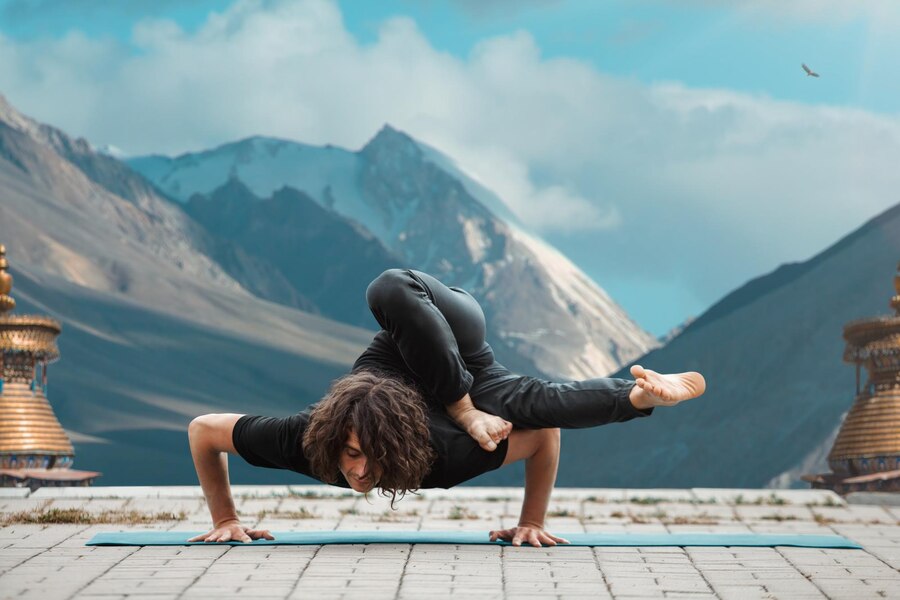
Breathing is a fundamental aspect of both yoga and athletic performance. In sports, effective breath control can significantly influence endurance, strength, and overall performance. By incorporating yoga breathing techniques, athletes can harness the power of their breath to improve physical exertion and mental clarity, allowing them to push their limits and achieve their goals.The significance of breath control during physical exertion lies in its ability to enhance oxygen intake and promote relaxation.
Proper breathing techniques can help athletes manage stress, reduce fatigue, and maintain a steady heart rate. This ultimately leads to improved performance, as athletes can sustain energy levels for longer periods. Yoga offers a variety of breathing exercises that focus on increasing lung capacity and enhancing overall stamina, making it an essential tool for endurance athletes.
Yoga Breathing Exercises for Endurance Athletes
Incorporating specific yoga breathing exercises into training routines can provide substantial benefits for endurance athletes. These exercises focus on controlling and maximizing breath, which is crucial during long-duration activities. Below are some effective yoga breathing techniques tailored for athletes:
- Ujjayi Breath: This technique involves slightly constricting the throat while breathing, creating a soothing sound. It helps enhance lung capacity and promotes focus during intense activities.
- Dirgha Pranayama (Three-Part Breath): This involves breathing deeply into the abdomen, ribs, and chest sequentially. It increases oxygen intake, aids in relaxation, and calms the mind.
- Nadi Shodhana (Alternate Nostril Breathing): This technique balances the body’s energy channels and reduces anxiety, making it a great practice for pre-competition preparation.
- Kapalabhati (Skull Shining Breath): Involves rapid inhalations and forceful exhalations, energizing the body and improving lung function, which is beneficial during high-intensity workouts.
- Bhramari (Bee Breath): By producing a humming sound during exhalation, this technique calms the mind and helps to decrease stress levels, which is crucial before competitions.
“The breath is the bridge between the body and the mind, and mastering it can unlock an athlete’s full potential.”
Integration of Yoga into Training Regimens
The incorporation of yoga into athletic training regimens offers tailored approaches to enhance overall sports performance. By blending traditional training with yoga practices, athletes can achieve a balance of strength, flexibility, and mental focus that is essential for peak performance. This integration fosters a holistic approach to training, addressing both physical and mental aspects crucial for success in various sports.Athletes can create a well-structured yoga routine that complements their primary training activities.
This involves careful consideration of the type of yoga practiced, its frequency, and the timing relative to other workouts. Below is a sample weekly yoga schedule that illustrates how athletes can effectively incorporate yoga into their training regimen.
Sample Weekly Yoga Schedule for Athletes
This schedule is designed to provide balance and enhance performance through consistent yoga practice. It incorporates different styles of yoga tailored to various training days.
| Day | Yoga Style | Focus Area |
|---|---|---|
| Monday | Hatha Yoga | Flexibility and Recovery |
| Tuesday | Vinyasa Yoga | Strength and Endurance |
| Wednesday | Restorative Yoga | Relaxation and Recovery |
| Thursday | Ashtanga Yoga | Building Core Strength |
| Friday | Yin Yoga | Deep Stretching and Flexibility |
| Saturday | Power Yoga | High-Intensity Strength |
| Sunday | Mindfulness Meditation | Mental Focus and Recovery |
This schedule strategically places yoga sessions to allow for recovery and complement the demands of an athlete’s training. Each yoga style contributes uniquely: Hatha Yoga enhances flexibility, Vinyasa builds strength and endurance, while Yin focuses on deep stretching, essential for injury prevention.
Comparison of Yoga Styles for Different Sports
Understanding the various styles of yoga and their respective benefits can significantly aid athletes in choosing the right practice for their sport. Below is a comparison that elucidates how different styles of yoga cater to the needs of various sports:
| Yoga Style | Benefits | Suitable Sports |
|---|---|---|
| Hatha Yoga | Enhances flexibility and promotes relaxation | Gymnastics, Swimming |
| Vinyasa Yoga | Improves strength and builds cardiovascular fitness | Running, Soccer |
| Power Yoga | Builds endurance and core strength | Cycling, Weightlifting |
| Yin Yoga | Increases flexibility and aids in recovery | Tennis, Martial Arts |
| Restorative Yoga | Facilitates recovery and reduces stress | All sports, particularly during off-season |
Each yoga style offers unique advantages that can be leveraged depending on the sport’s requirements. For example, Power Yoga is well-suited for athletes needing explosive strength, whereas Yin Yoga is perfect for those focusing on flexibility and recovery.
Incorporating Yoga into Existing Training Routines
Integrating yoga into established training routines can amplify performance outcomes significantly. This can be achieved through strategic scheduling, setting specific goals, and utilizing yoga’s principles in daily training.
Scheduling
Allocate specific days for yoga practice in conjunction with strength and conditioning workouts. This allows for recovery and mental focus before high-intensity sessions.
Enhancing athletic performance goes beyond just training; nutrition plays a crucial role. Unlock your potential by understanding how Sports Nutrition can give you the edge you need. Fuel your body with the right nutrients to maximize your results and achieve your fitness goals.
Goals
Set clear objectives for what the athlete wishes to achieve through yoga, such as improved flexibility, enhanced breathing techniques, or better mental clarity. This targeted approach maximizes outcomes.
Mindfulness Techniques
Encourage athletes to incorporate mindfulness and breathing exercises from yoga into their sport-specific training. This can help in maintaining focus during competitions and managing stress.Integrating these methods into regular training will not only enhance performance but also contribute to a more holistic athletic development, fostering both physical and mental resilience.
Case Studies and Success Stories
As yoga becomes increasingly popular among athletes, numerous professional sports figures have embraced its practice to enhance their performance. These case studies illustrate the transformative impact of yoga on athletic excellence, showcasing remarkable stories of success and measurable improvements in various key performance indicators.One notable example is that of professional basketball player Kobe Bryant, who integrated yoga into his training regimen as a means of improving flexibility, focus, and injury prevention.
Over his 20-year career, Bryant credited yoga with keeping him agile and resilient, allowing him to maintain peak performance levels deep into his career. His dedication to yoga not only enhanced his physical capabilities but also improved his mental clarity, a critical component of his success on the court.
Real-life Successes from Various Sports
Many athletes across different sports have reported significant benefits from regular yoga practice. The following table summarizes several case studies that demonstrate measurable performance improvements linked to yoga:
| Athlete | Sport | Performance Metric (Before Yoga) | Performance Metric (After Yoga) | Improvement (%) |
|---|---|---|---|---|
| Kobe Bryant | Basketball | Flexibility Score: 70 | Flexibility Score: 90 | 28.6% |
| Serena Williams | Tennis | Match Win Rate: 75% | Match Win Rate: 85% | 13.3% |
| Michael Phelps | Swimming | Speed (100m): 47.51 seconds | Speed (100m): 46.20 seconds | 2.8% |
| Tom Brady | Football | Injury Rate: 15% | Injury Rate: 5% | 66.7% |
These case studies demonstrate that the integration of yoga into training regimens can lead to substantial improvements in performance metrics. Athletes like Serena Williams and Tom Brady not only enhanced their physical abilities but also experienced lower injury rates, showcasing yoga’s role in injury prevention and rehabilitation.
“Yoga has been a pivotal aspect of my training. It’s helped me stay in peak condition and recover faster.”
Tom Brady
In summary, the benefits of yoga for sports performance are clearly supported by the experiences of elite athletes who have successfully incorporated this practice into their routines. Their stories serve as inspiration and evidence of yoga’s potential to elevate athletic performance across various disciplines.
Popular Questions
How often should athletes practice yoga?
Ideally, athletes should incorporate yoga into their routine 2-3 times per week to reap maximum benefits.
Can yoga help with recovery after intense workouts?
Yes, yoga aids in recovery by improving blood flow and reducing muscle tension, promoting faster healing.
What types of yoga are best for athletes?
Styles like Hatha, Vinyasa, and Yin Yoga are particularly beneficial for building strength, flexibility, and relaxation.
Is yoga suitable for all sports?
Absolutely! Yoga can complement any sport by enhancing physical capabilities and mental clarity.
Does yoga improve performance metrics in athletes?
Yes, studies have shown improvements in performance metrics such as speed, endurance, and strength in athletes who practice yoga regularly.