Step into the future with Electronics and Smart Devices, where innovation meets convenience! These remarkable tools have transformed how we live, work, and play, making our daily tasks simpler and more efficient.
From the humble beginnings of electronics to the advanced smart devices of today, technology has come a long way. These gadgets are not just tools; they are integral to our modern lifestyle, bridging the gap between comfort and connectivity.
Introduction to Electronics and Smart Devices
The world of electronics and smart devices has revolutionized daily life by integrating advanced technology into our everyday activities. This remarkable field encompasses a wide range of gadgets that enhance functionality, efficiency, and connectivity, making them indispensable in modern society. From smartphones and tablets to smart home systems and wearable technology, the evolution of electronics has fundamentally changed how we interact with the world around us.The journey of electronics began with simple circuits and vacuum tubes, advancing to transistors and integrated circuits, which paved the way for the digital age.
The introduction of microprocessors and microcontrollers further propelled this evolution, leading to the development of smart devices that offer intuitive and user-friendly interfaces. These innovations have increased accessibility to technology and fostered a culture of connectivity, allowing devices to communicate and operate seamlessly together.
Significance of Electronics and Smart Devices in Modern Life
The impact of electronics and smart devices on contemporary living cannot be overstated; they have transformed industries, enhanced personal comfort, and improved overall productivity. Below are key areas highlighting their significance:
- Convenience: Smart devices simplify daily tasks through automation and remote control capabilities, freeing up time for individuals to focus on other important activities.
- Connectivity: The Internet of Things (IoT) enables devices to communicate and share data, creating a cohesive ecosystem that enhances user experience and functionality.
- Health Monitoring: Wearable technology, such as fitness trackers and smartwatches, allows users to monitor their health metrics in real-time, promoting proactive health management.
- Efficiency in Energy Use: Smart home devices, like thermostats and lighting systems, optimize energy consumption, leading to substantial cost savings and environmental benefits.
- Enhanced Security: Smart surveillance systems and smart locks provide advanced security features, offering peace of mind to homeowners and businesses alike.
“The integration of electronics and smart devices into everyday life is not just a trend; it’s a paradigm shift that defines the future of technology.”
In conclusion, the significance of electronics and smart devices transcends mere convenience; they are integral to the way we live, work, and interact with one another in an increasingly digital world.
Types of Electronics and Smart Devices
Smart devices have revolutionized our interaction with technology, making daily life more convenient, efficient, and connected. With a wide array of categories, electronics and smart devices serve various functions, catering to different needs and lifestyles. From home automation to health monitoring, these devices enhance our lives in multifaceted ways.
Explore the impact of technology as you dive into the rise of digital platforms in the global economy. These platforms are revolutionizing commerce, enabling businesses to reach wider audiences while streamlining operations. Join the digital revolution and discover how your business can thrive in this exciting new landscape!
Smart Home Devices
Smart home devices are designed to improve convenience, security, and energy efficiency within a household. They enable users to control appliances and systems remotely, enhancing overall home management.
- Smart Thermostats: Devices like the Nest Learning Thermostat learn your heating and cooling preferences, optimizing energy use while ensuring comfort.
- Smart Lighting: Philips Hue bulbs allow users to adjust brightness and color through a mobile app or voice commands, creating a personalized ambiance.
- Smart Security Cameras: Ring and Arlo offer high-definition video monitoring with real-time alerts, ensuring your home’s security is always a priority.
- Smart Door Locks: August Smart Lock enables keyless entry and remote access management, enhancing both convenience and security.
Wearable Devices
Wearables are electronic devices worn on the body, typically tracking health metrics and providing notifications. These devices are essential in the realm of personal health management and fitness.
- Smartwatches: The Apple Watch offers fitness tracking, heart rate monitoring, and notifications, blending style with functionality.
- Fitness Trackers: Devices like Fitbit Charge track physical activity, sleep patterns, and even stress levels, promoting a healthier lifestyle.
- Health Monitors: The Oura Ring provides insights into sleep quality and overall health through advanced biometric sensors.
Smart Appliances
Smart appliances integrate internet connectivity into traditional devices, offering advanced functionalities and remote control capabilities.
- Smart Refrigerators: Samsung’s Family Hub Refrigerator features a touchscreen that allows for inventory tracking and meal planning.
- Smart Ovens: The June Oven can recognize food and automatically adjust cooking settings, making meal preparation effortless.
- Smart Washers and Dryers: LG SmartThinQ appliances enable remote monitoring and control, optimizing laundry management.
Smart Health Devices
The rise of smart health devices has transformed personal health monitoring, enabling users to track and manage their health effectively.
- Blood Pressure Monitors: Omron’s Bluetooth-enabled monitor syncs with smartphones, providing real-time health data tracking.
- Smart Glucose Meters: Devices like the Dexcom G6 continuously monitor glucose levels and send alerts, supporting diabetes management.
- Smart Scales: The Withings Body+ measures weight and body composition, syncing the data to an app for detailed health insights.
Smart Entertainment Devices
Smart entertainment devices enhance the media consumption experience, integrating seamlessly with home networks.
- Smart TVs: Brands like LG and Sony offer smart TVs that provide streaming services, voice control, and connectivity to other devices.
- Streaming Devices: Roku and Amazon Fire Stick allow users to access a plethora of channels and apps, transforming any TV into a smart device.
- Smart Speakers: Amazon Echo and Google Nest enable hands-free control of music playback and smart home integration through voice commands.
Smart devices are not just tools; they are integral companions that enrich our daily lives through innovation and connectivity.
Stay ahead of the competition by learning about digital marketing trends every business should watch. As the digital landscape evolves, understanding these trends will empower you to craft effective strategies that resonate with your audience. Don’t miss out on the opportunity to elevate your brand and achieve remarkable growth!
Integration of Smart Devices in Everyday Life
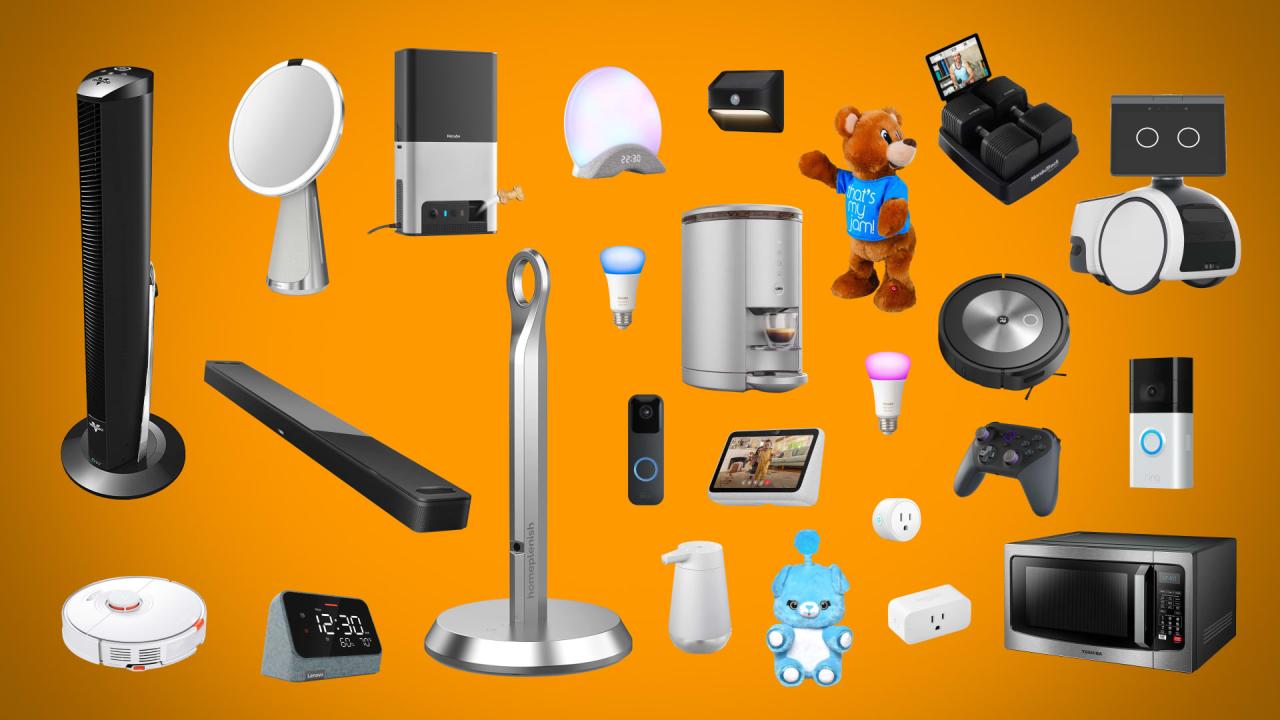
In today’s fast-paced world, the integration of smart devices into our daily routines has revolutionized how we live, work, and connect. These innovative technologies enhance convenience, efficiency, and even our overall well-being. As smart devices become more prevalent, they seamlessly blend into everyday life, pushing the boundaries of what we thought possible. Smart technology in home automation has transformed traditional homes into intelligent living spaces.
From controlling lighting and climate to enhancing security, smart devices empower homeowners to manage their environment effortlessly.
Smart Home Automation Examples
Home automation offers a myriad of possibilities that improve daily living. Here are some significant examples of smart technologies that have been integrated into homes:
- Smart Thermostats: Devices like the Nest Learning Thermostat learn your schedule and adjust the temperature accordingly, ensuring comfort while saving on energy costs.
- Smart Security Systems: Systems such as Ring allow homeowners to monitor their property in real-time, providing peace of mind through features like motion detection and remote access.
- Smart Lighting: Philips Hue lights can be programmed to change color and intensity, enhancing mood and providing convenience with voice activation through platforms like Amazon Alexa.
- Smart Appliances: Refrigerators like the Samsung Family Hub connect to the internet and can manage grocery lists, stream music, or even display family photos.
The impact of smart devices extends beyond mere convenience; they significantly affect personal health and fitness.
Impact on Personal Health and Fitness
Smart devices play a crucial role in promoting healthier lifestyles by offering personalized insights and enhancing fitness routines. These technologies empower individuals to take charge of their health.Smart wearables, such as fitness trackers, monitor physical activity, heart rate, and sleep patterns, providing data that can inform healthier lifestyle choices. For example, the Fitbit series tracks daily steps, calories burned, and encourages physical activity through reminders and challenges.
Additionally, smart health devices can facilitate remote monitoring for chronic conditions, allowing healthcare professionals to access real-time data, which can lead to timely interventions.
“The integration of technology into health management not only enhances personal wellness but also fosters a proactive approach to maintaining a healthier lifestyle.”
These integrated smart solutions not only streamline daily routines but also encourage responsible health management, paving the way for a more connected, efficient, and healthier future.
The Internet of Things (IoT) and Smart Devices
The Internet of Things (IoT) represents a transformative shift in the way smart devices operate, connecting them to the internet and enabling communication and data exchange. This connectivity turns ordinary devices into intelligent allies in enhancing our daily lives, providing convenience, efficiency, and automation across a spectrum of applications.IoT plays a pivotal role in the functionality of smart devices, creating a seamless integration between hardware and software that allows for real-time data collection and processing.
Smart devices, such as smart thermostats, wearable fitness trackers, and home security systems, utilize IoT frameworks to gather insights, optimize operations, and enhance user experiences. This interconnectedness ensures that devices can respond intelligently to user commands and environmental changes, thereby maximizing their functionality.
Discover how portable electronics are transforming mobility by empowering users with unprecedented freedom and convenience. From smartwatches to compact devices, the evolution of technology is reshaping the way we travel and connect. Embrace this change and enhance your lifestyle with innovative gadgets that keep you on the move!
Benefits and Challenges of IoT Integration
The integration of IoT into smart devices comes with numerous advantages, but it also presents certain challenges that must be addressed for successful implementation. The advantages include:
- Enhanced Efficiency: Devices can communicate and automate tasks, leading to improved energy savings and resource management.
- Remote Access: Users can control smart devices from anywhere, providing convenience and flexibility.
- Data-Driven Insights: Continuous data collection allows for better personalization and proactive maintenance of devices.
However, challenges persist:
- Security Risks: Increased connectivity raises vulnerabilities to cyberattacks and data breaches, necessitating robust security measures.
- Interoperability Issues: Diverse protocols and standards can hinder seamless communication between devices from different manufacturers.
- Data Privacy Concerns: The extensive data collection by smart devices raises issues regarding user consent and data ownership.
Key Technologies Driving IoT Development
Several key technologies underpin the development and operation of IoT ecosystems, facilitating their growth and effectiveness. Understanding these technologies is essential for recognizing the future potential of smart devices.The core technologies include:
- Wireless Communication: Protocols like Wi-Fi, Bluetooth, and Zigbee enable devices to connect and communicate wirelessly, enhancing flexibility in deployment.
- Cloud Computing: Provides the necessary infrastructure for data storage, processing, and analytics, enabling devices to function optimally without local processing limitations.
- Artificial Intelligence: Machine learning algorithms embedded in devices allow for predictive analytics and automated decision-making, enhancing device intelligence.
- Edge Computing: Reduces latency by processing data closer to the source, thereby improving response times and reducing bandwidth consumption.
These technologies collectively drive advancements in IoT, creating a robust foundation for the next generation of smart devices. As IoT continues to evolve, the potential for smarter, more connected devices is limitless, promising a future where technology seamlessly integrates and enhances everyday life.
Security and Privacy Concerns
As smart devices become increasingly embedded in our daily lives, the importance of understanding security and privacy concerns becomes paramount. These devices, while enhancing convenience and efficiency, also introduce a variety of vulnerabilities that can expose personal information to unauthorized access. Addressing these security risks is essential for maintaining trust and safety in a connected world.Smart devices often collect and transmit personal data, which can lead to significant security risks if not adequately protected.
Examples include unauthorized access by hackers, data breaches, and inadequate encryption methods. Common security vulnerabilities associated with smart devices include weak passwords, outdated software, and lack of two-factor authentication. The interconnected nature of these devices means that a breach in one device could potentially compromise an entire network of connected appliances.
Potential Security Risks of Smart Devices
The risks posed by smart devices can be multifaceted and complex. Awareness of these potential threats is critical for users. Key risks include:
- Unauthorized Access: Weak or default passwords can allow malicious actors to gain control of devices.
- Data Breaches: If personal information is stored without proper encryption, it can be harvested during a breach.
- Device Vulnerability: Outdated firmware may have unpatched vulnerabilities that hackers can exploit.
- Privacy Erosion: Continuous data collection can lead to invasive profiling and tracking of users’ behaviors.
Strategies for Protecting Personal Information and Privacy
Implementing strategies to safeguard personal information is essential in the smart technology landscape. Users can take proactive measures to enhance their security posture. Effective strategies include:
- Strong Passwords: Utilize unique, complex passwords for each device to reduce the risk of unauthorized access.
- Regular Updates: Keep device software up to date to ensure the latest security patches are applied.
- Network Security: Use a separate network for smart devices to isolate them from other sensitive devices.
- Privacy Settings: Customize privacy settings to limit data collection and sharing among devices.
Comparative Analysis of Security Features in Smart Devices
Understanding the security features of various smart devices helps consumers make informed choices. Different manufacturers implement varying security measures, which can influence device safety. The security features typically considered include:
- Encryption: Devices with strong encryption protocols protect data during transmission.
- Two-Factor Authentication: Implementing 2FA adds an additional layer of security during login processes.
- Security Audits: Some manufacturers conduct regular security audits, enhancing trust in their devices.
- Firmware Updates: Devices that provide automatic and timely firmware updates are generally more secure against emerging threats.
“Security is not a product, but a process.” This principle underscores the ongoing responsibility of manufacturers and users alike in safeguarding smart devices.
Future Trends in Electronics and Smart Devices
The landscape of electronics and smart devices is on the brink of revolutionary changes, driven by rapid technological advancements and shifting consumer preferences. As we look ahead, several key trends are anticipated to shape the future of this dynamic sector. From groundbreaking innovations in smart technology to the transformative role of artificial intelligence (AI), the future promises to be both exciting and impactful.AI Integration in ElectronicsThe integration of artificial intelligence into electronics is expected to redefine user experiences and functionalities.
AI will enable devices to learn from user behavior and preferences, creating personalized interactions that enhance convenience and efficiency. For example, smart home systems powered by AI can anticipate user needs based on historical data, adjusting lighting, temperature, and even security settings automatically.
- Smart assistants like Google Home and Amazon Echo will evolve to offer more nuanced responses and actions based on user history.
- Wearable health technology will become increasingly sophisticated, employing AI algorithms to provide real-time health insights and alerts.
- Smart appliances will utilize AI to optimize energy usage, ultimately contributing to sustainability and cost savings for consumers.
Emerging Consumer Preferences in ElectronicsConsumer preferences are shifting towards more integrated and user-friendly smart devices. The demand for seamless connectivity and interoperability among devices is at an all-time high. This trend is driven by the desire for convenience and efficiency in daily life, where consumers expect devices to work harmoniously together.
- There is a growing preference for multi-functional devices that combine several functionalities into one product, such as smartphones that incorporate health monitoring features.
- Consumers are increasingly seeking eco-friendly electronics with sustainable manufacturing processes, reflecting a heightened awareness of environmental issues.
- The rise of subscription-based models for electronics, allowing users to access the latest technology without significant upfront investment, is becoming more common.
Smart Technology Innovations on the HorizonThe future holds great promise for innovative technologies that will further enhance the functionality and appeal of smart devices. Advancements in areas such as 5G connectivity, edge computing, and augmented reality (AR) are expected to drive new applications and improve existing systems.
- 5G technology will enable faster data transmission, enhancing the responsiveness of smart devices and making real-time applications more viable.
- Edge computing will allow for data processing closer to the device, reducing latency and improving performance for time-sensitive applications.
- Augmented reality will find its way into various consumer electronics, providing immersive experiences in gaming, education, and remote assistance.
“The future of electronics and smart devices will be characterized by greater intelligence, enhanced user experience, and sustainable innovations that meet the needs of a rapidly evolving society.”
DIY Electronics Projects
Embark on an exciting journey into the world of DIY electronics projects that merge creativity and technology. These beginner-friendly projects are perfect for those looking to harness the power of smart devices while developing practical skills. Engaging in DIY projects not only enhances your understanding of electronics but also empowers you to create unique solutions tailored to your needs.Creating your own electronics projects is a rewarding experience that allows you to apply your knowledge while having fun.
Here are some beginner-friendly electronics projects involving smart devices that you can make at home. Each project is designed to teach you fundamental concepts and build your confidence in DIY electronics.
Beginner-Friendly Electronics Projects
Explore a range of exciting projects that will ignite your passion for electronics and smart devices:
- Smart Plant Watering System: Automatically waters your plants based on soil moisture levels.
- LED Mood Light: Create an RGB LED light that can be controlled via a smartphone app.
- Bluetooth Speaker: Build a portable Bluetooth speaker using off-the-shelf components.
- Motion-Activated Night Light: Design a night light that turns on when it detects movement.
- DIY Home Security Alarm: Set up a simple alarm system that alerts you to unauthorized entry.
Step-by-Step DIY Project: Smart Plant Watering System
The Smart Plant Watering System is an excellent project for beginners that combines sensors and actuators to automate plant care. Follow these steps to create your own system:
1. Gather Materials
Arduino board
Soil moisture sensor
Water pump
Relay module
Tubing for water delivery
Power supply (battery or adapter)
Breadboard and jumper wires
2. Connect the Soil Moisture Sensor
Insert the sensor into the soil of your plant pot.
Connect the sensor to the Arduino board using jumper wires.
3. Set Up the Relay Module
Connect the relay module to the Arduino, allowing it to control the water pump.
4. Wire the Water Pump
Connect the water pump to the relay module and place the tubing in your plant pot.
5. Upload the Code
Write and upload a simple Arduino sketch that reads the moisture levels and activates the pump when the soil is dry.
6. Test the System
Power the system and check if the pump activates when the soil moisture is low.
This project not only helps you learn about basic electronics but also ensures your plants stay hydrated effortlessly.
Sourcing Materials and Tools
When embarking on DIY electronics projects, sourcing the right materials and tools is essential. Here are some tips to help you get started:
Local Electronics Stores
Visit nearby electronics shops for components like resistors, capacitors, and microcontrollers.
Online Marketplaces
Platforms like Amazon, eBay, or specialized electronics websites offer a wide range of components at competitive prices. Look for sellers with high ratings for quality assurance.
DIY Kits
Consider purchasing DIY project kits that come with all necessary components and instructions. These kits simplify the process and often include beginner-friendly projects.
Community Makerspaces
Many communities have makerspaces that provide access to tools, equipment, and expert advice. Joining a makerspace can enhance your learning experience and provide networking opportunities with fellow enthusiasts.
Second-hand Components
Explore local classifieds or online forums for second-hand components. Many hobbyists sell unused parts at affordable prices, which can be a great way to save money.By following these steps and tips, you can dive into the world of DIY electronics with confidence, unleashing your creativity and technical skills.
Environmental Impact of Electronics
The world of electronics has revolutionized communication, transportation, and daily living; however, the environmental consequences of electronics manufacturing and disposal cannot be overlooked. Each device contributes to a growing ecological footprint, emphasizing the urgent need for sustainable practices in the industry.The process of manufacturing electronics involves the extraction of raw materials, which often leads to habitat destruction and resource depletion.
Furthermore, when these devices reach the end of their lifecycle, improper disposal can result in hazardous waste that contaminates soil and water. It is essential to shift towards environmentally friendly methods in both production and disposal, emphasizing recycling and repurposing as vital solutions.
Ecological Footprint of Electronics Manufacturing
The ecological footprint of electronics is significant, stemming from various practices in manufacturing, including:
- Resource Depletion: Mining for metals like gold, copper, and rare earth elements disrupts ecosystems and depletes natural resources.
- Energy Consumption: Electronics manufacturing processes are energy-intensive, often relying on fossil fuels that contribute to greenhouse gas emissions.
- Water Usage: The production of electronic components requires substantial amounts of water, impacting local water supplies.
- Hazardous Waste Generation: The manufacturing process produces toxic byproducts that can pollute the environment if not managed properly.
Methods for Recycling and Repurposing Old Devices
Recycling and repurposing old electronics is crucial for mitigating environmental damage. By adopting effective recycling methods, valuable materials can be recovered, reducing the need for new resource extraction. Some of the prominent methods include:
- Electronics Collection Programs: Many communities and organizations provide drop-off locations for old devices to ensure proper recycling.
- Donation and Resale: Working devices can be donated to schools or charities, extending their life and reducing waste.
- Upcycling Projects: Creative individuals can convert obsolete devices into functional art or furniture, giving them a new purpose.
- Certified E-Waste Recyclers: Utilize services that specialize in safely dismantling electronics to recover valuable components responsibly.
Sustainable Practices in the Production of Smart Devices
The electronics industry is increasingly recognizing the importance of sustainability. Manufacturers are adopting practices that reduce their environmental impact throughout the product lifecycle. Key sustainable practices include:
- Eco-friendly Materials: Using biodegradable plastics and sustainable materials in device construction helps minimize waste and environmental harm.
- Energy-efficient Manufacturing: Implementing processes that utilize renewable energy sources reduces the carbon footprint associated with production.
- Design for Longevity: Creating devices that are modular and upgradable extends their lifespan, reducing the amount of e-waste generated.
- Waste Minimization Strategies: Manufacturers are adopting lean production techniques to minimize waste generated during the manufacturing process.
“Adopting sustainable practices in electronics manufacturing is not just a trend; it’s a necessity for the future of our planet.”
The Role of Electronics in Education
Electronics have become an integral part of modern education, providing innovative tools that facilitate learning and enhance educational experiences. With the rise of smart devices, classrooms are evolving into dynamic environments where technology plays a central role in teaching and learning.Smart devices are transforming educational environments by offering interactive and engaging learning experiences. These devices, including tablets, smartboards, and virtual reality headsets, allow for a more personalized and flexible learning approach.
Students can access a wealth of resources and collaborate in real-time, breaking the traditional boundaries of the classroom.
Tools and Applications Enhancing Learning Experiences
A variety of tools and applications are available that cater to different learning styles and needs. These technologies not only assist educators in delivering content but also empower students to take charge of their own learning. Below are some key applications and their functionalities:
- Learning Management Systems (LMS): Platforms such as Google Classroom and Moodle streamline course management, assessments, and communication between students and teachers.
- Interactive Learning Tools: Applications like Kahoot! and Quizlet create engaging quizzes and flashcards that enhance knowledge retention through gamification.
- Virtual Reality (VR) and Augmented Reality (AR): Tools such as Google Expeditions immerse students in interactive experiences, allowing exploration of historical sites or complex scientific concepts in an engaging manner.
- Collaborative Tools: Solutions like Microsoft Teams and Slack facilitate group projects and discussions, encouraging teamwork and communication skills.
Electronics-Based Educational Projects for Students
Hands-on projects utilizing electronics can greatly enhance student engagement and understanding of complex concepts. These projects encourage creativity and problem-solving skills, preparing students for future careers in technology and engineering. Some notable examples include:
- Building a Simple Circuit: Students can learn basic electrical concepts by creating their own circuits using batteries, wires, and LEDs.
- Robotic Kits: Using kits like LEGO Mindstorms or Arduino, students can design and program their own robots, applying principles of programming and engineering.
- Smart Home Projects: Students can engage in projects that involve building smart home devices, such as automated lights or security systems, integrating IoT concepts into their learning.
- Environmental Monitoring Systems: Creating sensors to monitor temperature, humidity, or air quality promotes awareness of environmental issues and the importance of sustainability.
“Electronics not only enhance educational efficiency but also prepare students for the technology-driven world of tomorrow.”
General Inquiries
What are smart devices?
Smart devices are electronic gadgets that connect to the internet and can be controlled remotely, enhancing the user experience.
How do smart devices improve daily life?
They automate tasks, enhance convenience, and provide real-time information, making everyday activities simpler and more efficient.
What is the Internet of Things (IoT)?
IoT is a network of interconnected devices that communicate and share data, enabling smarter technology integration.
Are there security risks with smart devices?
Yes, smart devices can pose security risks, including unauthorized access to personal data, which is why strong security measures are crucial.
What is the future of electronics and smart devices?
The future promises innovations such as more advanced AI integration, enhanced connectivity, and a greater emphasis on sustainability.